


Esther Rantzen was the nation’s auntie who wasn’t loved enough by the BBC
Esther Rantzen was the nation’s auntie who wasn’t loved enough by the BBC

Alice CockerellThu, October 1, 2026 at 2:01 PM UTC
0

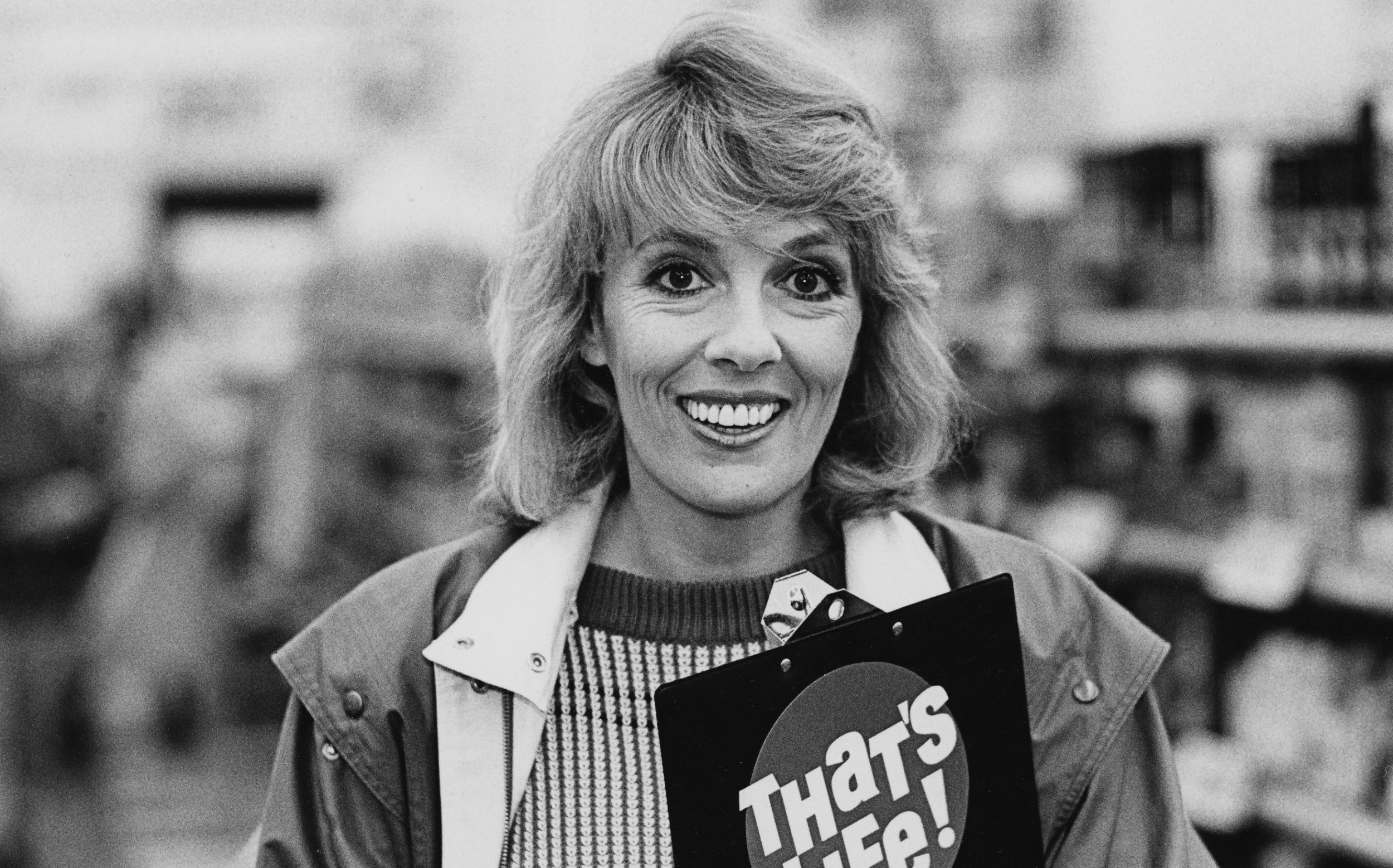
At the height of its powers, Esther Rantzen’s That’s Life! received 15,000 letters a week - Brian Ritchie
“That’s it. I’m ringing Esther” was the most bellowed sentence when I was growing up. For 1990s Britain, Esther Rantzenwas the BBC. She was our whistle-blower, national guardian, our entertainment, our solace and last resort.
To invoke Esther was to call in the big guns. However petulant the threat, it was felt she personally had your back, and so whether it was a domestic problem or some shoddily constructed playground, Esther would bring the might of the BBC and so the nation to your aid.
At the height of its powers, consumer rights programme That’s Life! received 15,000 letters a week, letters overwhelmingly addressed directly to the show’s producer and main presenter, Esther. What many of her pen-pals wouldn’t have been aware of, was quite how embattled their hero and saviour was within the corporation she so dazzling represented.
The path of a BBC rise never does run smooth. Joining the corporation, where her father Henry had worked as a broadcast engineer, in the mid 1960s, it didn’t take long to see that Rantzen was on the ascendent. My dad, Michael Cockerell, who produced a radio show called Good Morning Africa remembers asking Esther, who he had vaguely known at Oxford University, to make a segment on Jews in England. This she did absolutely brilliantly. “She was already a pro,” he said. “You could just tell you were going to hear of her again.”
And hear of her again we did. By 1968 Rantzen worked on Braden’s Week and when, in 1972, the show was renamed That’s Life! (a name she came up with) Rantzen was bumped up to the top presenter’s job.
The TV executive Sir Peter Bazalgette, who started his successful career as Rantzen’s researcher on That’s Life!, said: “She was an extraordinary campaigner, producer and brilliant journalist. Two moments sum this up. The first was the great TV coup of Nicky Winton. He had rescued countless children from the Nazis, Esther got them all to the studio and asked them to stand up if they had been saved by Nicholas. Incredible. The second was a dog we found called Prince, who could say sausages.”
Advertisement
For a long time, Rantzen was the target of a Marie Antoinette-style campaign at the BBC - Radio Times
Rantzen was going to need these reserves of merriment as she navigated life at the BBC. There was a brutal fallout over her affair with her boss Desmond “Desi” Wilcox, who she would go on to marry and have three children with. Although That’s Life! was ultimately moved from Wilcox’s department of general features to current affairs, for a long time Rantzen was the target of a Marie Antoinette-style campaign of abusive pamphlets, privately printed and distributed around the BBC every few weeks.
Although this finally ended, largely because Wilcox eventually quit to set up a production company of his own, Rantzen would never shake the other charge that she was too grand for the self-consciously unpretentious BBC.
A fellow producer remembered that you always knew when Rantzen was in the building, as “she would often come into a room where we were quietly working and shout, ‘Ta Da!’. I also remember her coming into the ladies loo. Her slightly beleaguered PA stood outside the cubicle weighed down with dry cleaning, while Esther peed and sternly readjusted her schedule for that afternoon.”
And yet affection for her ran deep too. The comedy producer John Lloyd said: “I do not have a bad word to say about Esther, who I knew for years and years. Although we did parody her and That’s Life! on Not The Nine O’Clock News – Pamela Stephenson with false teeth doing an uncannily funny impression of her and carrots shaped like penises – we all loved the show.”
In fact, far from grand, Lloyd thought that Rantzen’s genius was all about her inclusivity and instinctive understanding of what would appeal to the country. “She had the same sensibility as me and my schoolgate mate Jeremy Clarkson. We want our shows to be for everyone. All ages, demographics and ethnicities. She could do that thing of applying a sense of humour to something serious to get the point across. She was the the nation’s auntie.”
This then is how she should be remembered, a campaigner with a twinkle. And much like our beloved national institutions (take note BBC) we loved Esther not because she was perfect but because she was great.
Source: “AOL Entertainment”
