


Ferry worker whose arthritis was aggravated by the sea wins £47k
Ferry worker whose arthritis was aggravated by the sea wins £47k

Telegraph reportersSun, August 16, 2026 at 12:40 PM UTC
0
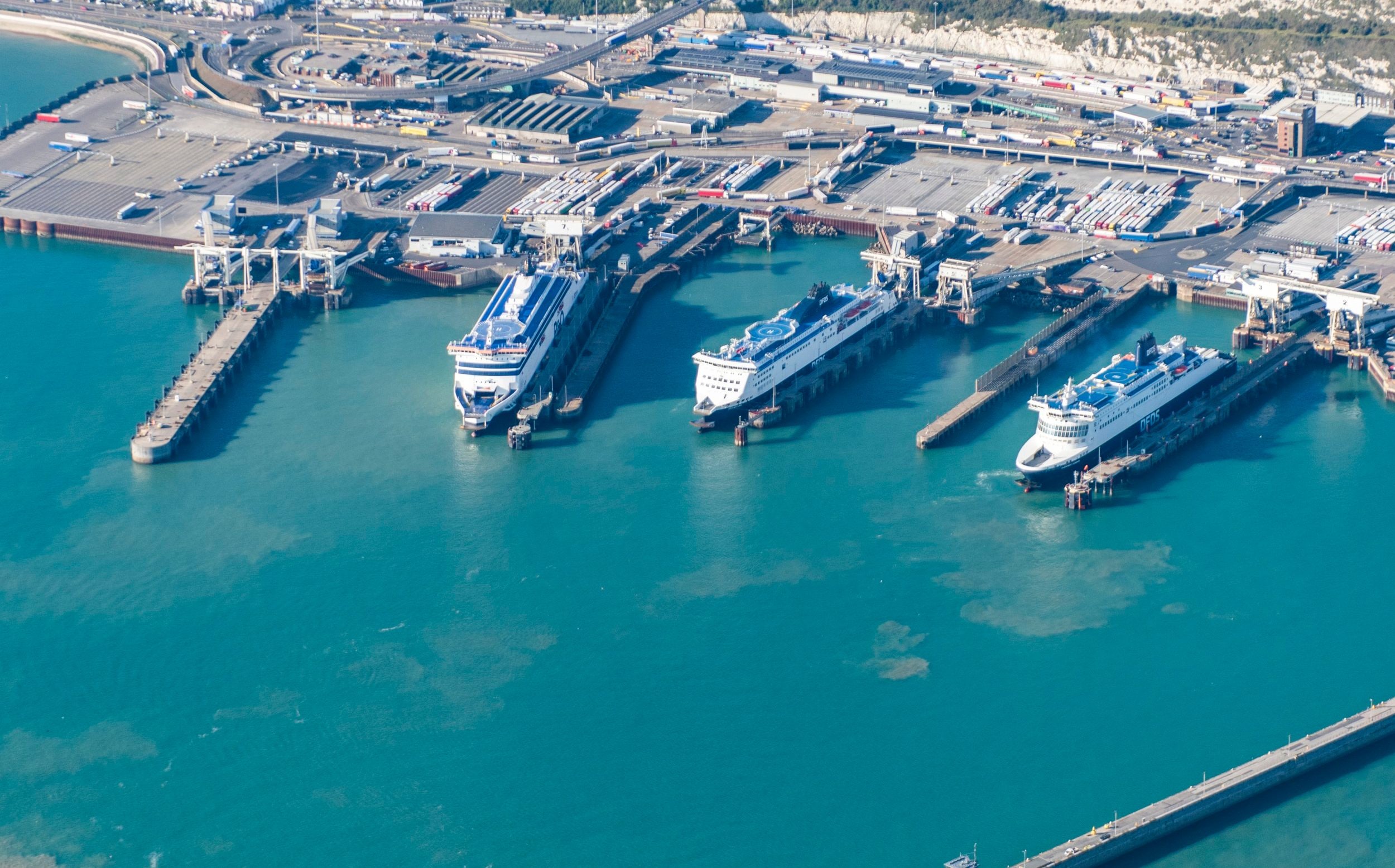
The assistant bosun had repeatedly asked to be transferred to work on shore - Chris Mansfield/Getty Images
A boatswain at a Channel ferry company who complained that working at sea aggravated his arthritis has won £47,000.
Sean Donnelly said he had been unable to work at sea because he was in “a lot of pain physically” and the vibrations from the ship had made his osteoarthritis worse, a tribunal heard.
The naval worker had repeatedly asked to be transferred to work on shore, but he was told that it was “too difficult due to payroll and administration”.
Mr Donnelly wanted to work for three more years until he retired, but was left without pay and seeking benefits, despite making it clear he was fit to work ashore.
At an employment tribunal held in Ashford, Kent, Mr Donnelly won his case of unfair constructive dismissal and a failure to make reasonable adjustments, which is a type of disability discrimination. He was awarded £47,089.
Mr Donnelly started working at DFDS in its Guernsey branch in October 2007. As the assistant bosun, he was in charge of loading the deck, mooring stations and anchoring operations. He worked two weeks on, two weeks off with a night and day shift pattern, and lived on board when at sea.
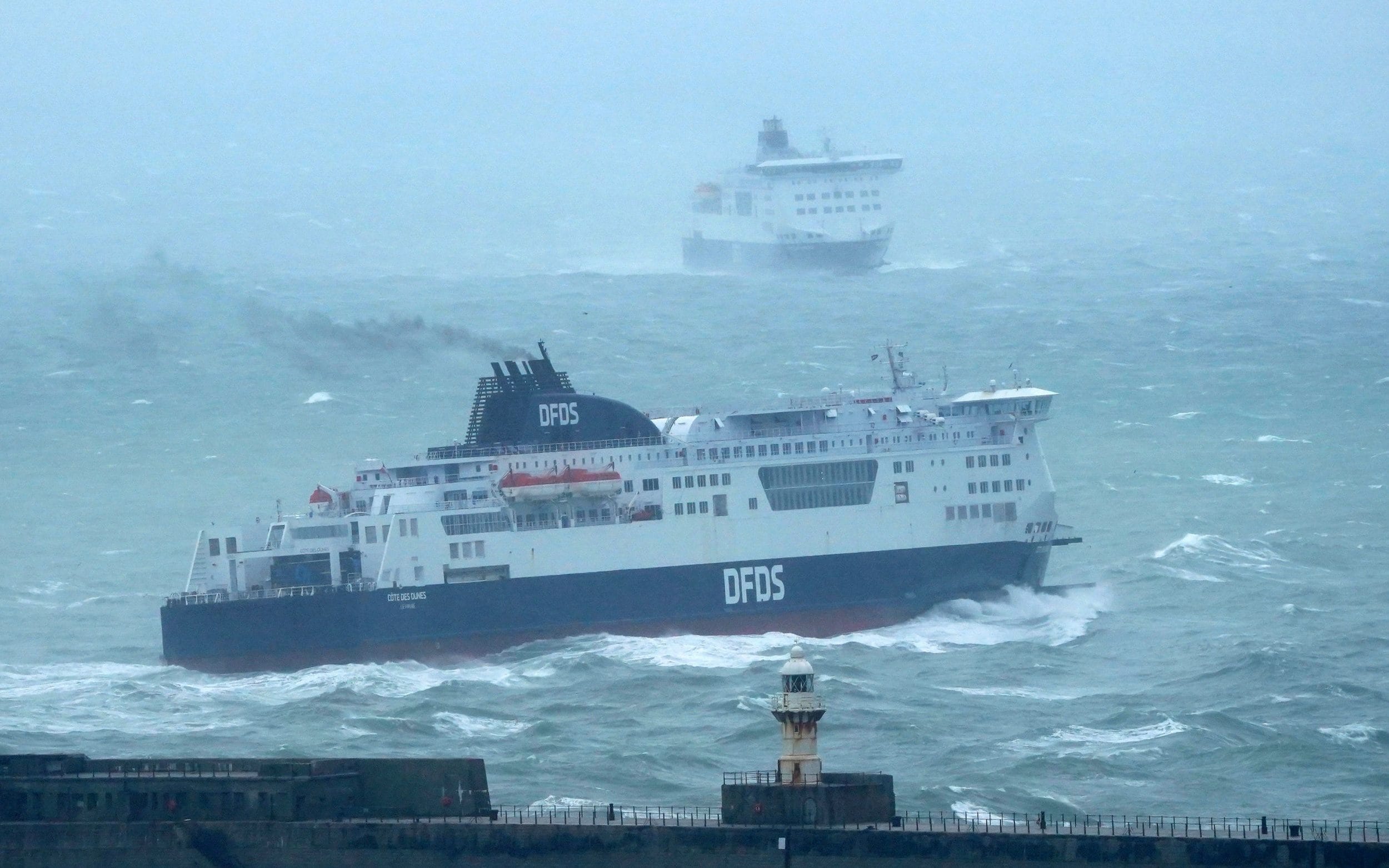
A DFDS ferry in a storm off Dover in Kent - Gareth Fuller/PA
In September 2022, he was diagnosed with osteoarthritis of the spine, and he notified the ferry company the next day.
Mr Donnelly went on sick leave but rejoined the boat in January 2023.
He had a phased return, but after eight days, he had to leave because he was in too much pain.
One of the chief officers told Matt Scott, the crewing manager: “As I say, he is obviously in a lot of pain physically and I have no doubt he is suffering mentally…I would suggest that at the moment [Mr Donnelly] is a long way off being capable of doing his job.”
Mr Scott said that he would make inquiries into other roles Mr Donnelly could do and added there was a possibility of computer-based work in the shore-side role, but that they had had a number of staff from ship go to operations and that everyone making that transition had to pass a screening programme.
In March 2023, Mr Donnelly discovered he had exhausted his sick pay, despite not being notified about this. He had not received notice of this and he raised a complaint about this.
He said that getting treatment for his arthritis was “financially crippling” and he had to rely on benefits.
Advertisement
After speaking to a specialist, it was made clear to Mr Donnelly that he should inquire about jobs on land because the “vibrations” on the ships were making his arthritis worse.
He inquired, but he was told that it was “too difficult” because it was the sister company DFDS A/S who dealt with employees on land.
Mr Donnelly met Lisa Abbott, head of marine HR, and told her that he was not hopeful he would be able to return to sea and so would be looking to be deployed to a job on shore if there was any availability.
In October 2023, Mr Donnelly had received treatment through physiotherapy and injections to help his pain.
Worker sought adjustments
He said that his condition meant that a number of adjustments could be taken to help him work on the ship such as an adjustment in his hours, having a support worker and not doing the forklifting duties.
Mr Donnelly said that despite making himself available to work, he had been removed from the payroll and that he could be temporarily deployed to shore, but this had been denied twice.
He was told that there were no vacancies on shore because they had recently filled them with seasonal staff.
Mr Donnelly lodged a formal grievance, but the ferry company said that his redeployment had not been denied because he had asked them to wait for further medical assessment.
At an appeal hearing, Mr Donnelly said that he was told the move to onshore would have been “too difficult due to payroll and administration”.
Need to avoid heavy lifting
In March 2024, Mr Donnelly gave a list of reasonable adjustments and said that they could agree to these so he could work at sea, or he could be assigned to a position on land that did not require heavy lifting. He said that if the company did not agree to any of these, then it would effectively be terminating his employment.
The ferry company said that it was trying to get him back to sea but did not agree to his reasonable adjustments.
Anna Corrigan, an employment judge, said that they had unfairly constructively dismissed Mr Donnelly. She said: “We agree with [Mr Donnelly] that he resigned in part because of [DFDS’] failure to make the reasonable adjustments.
“We also consider that it was [DFDS’s] failure to respond and/or ignoring his multiple requests to consider shore-side work.”
Judge Corrigan said that some adjustments should have been made by DFDS to allow him to return to work.
Source: “AOL Breaking”
