


Investors Put $650 Million Into a Real Estate Fund. The FBI Is Offering $150,000 to Find Its Fugitive Former President
Investors Put $650 Million Into a Real Estate Fund. The FBI Is Offering $150,000 to Find Its Fugitive Former President

Milos KomnenovicSun, August 16, 2026 at 3:19 PM UTC
0
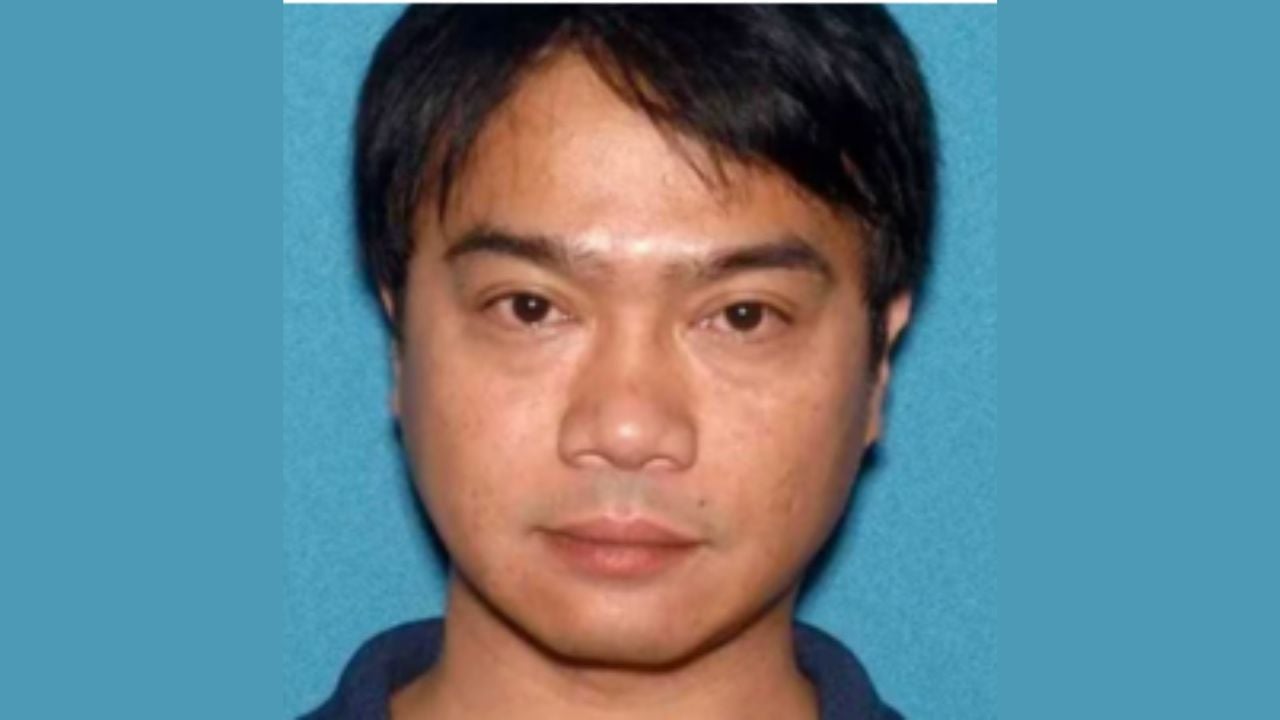
Image Credit: FBI.
A former real-estate investment executive accused in a scheme that took more than $650 million from roughly 2,000 investors has been added to the FBI's Most Wanted Fraudsters list.
Rey E. Grabato II, the former president and majority owner of National Realty Investment Advisors LLC, has been wanted since a federal arrest warrant was issued on Oct. 12, 2022. The FBI is now offering up to $150,000 for information leading to his arrest and conviction.
Federal prosecutors accuse Grabato and others of presenting NRIA's real-estate investment fund as a profitable operation while concealing severe financial problems and how investors' money was actually being used.
The government says the operation defrauded investors of hundreds of millions of dollars through a nationwide marketing campaign. In reality, prosecutors say NRIA generated little to no profit and operated as a Ponzi scheme kept afloat by money from new investors.
The Fund Was Marketed as a Profitable Real Estate Business
NRIA solicited money for NRIA Partners Portfolio Fund I LLC, a fund designed to acquire equity interests in companies that invested in real-estate assets. From February 2018 through January 2022, prosecutors say Grabato and others made false or misleading statements about the company's finances, investment performance and the way investor money was being spent.
The U.S. Attorney's Office for the District of New Jersey said the company promoted the fund through thousands of emails, billboards, television and radio advertisements, investor meetings and presentations across the country.
The marketing was intended to make NRIA appear solvent and highly profitable, prosecutors said. Instead, its real-estate developments generated little to no profit and in many cases lost money. Prosecutors also allege that NRIA invested almost none of its own capital in the developments despite representations intended to make investors believe the company had significant "skin in the game."
New Investor Money Helped Pay Existing Investors
Federal court filings describe a financial structure that prosecutors say concealed how dependent NRIA had become on money coming from new investors.
From 2018 through at least September 2021, investor money was deposited into commingled NRIA bank accounts at the direction and approval of Salzano and Grabato. A federal court filing says approximately $100 million from those accounts was used for monthly distributions to fund investors even though NRIA had little to no operating income from its properties to support those payments.
Investors were given the impression that the distributions came from profits generated by NRIA's real-estate portfolio, according to prosecutors. The government alleges that investor money was instead being used to make the payments, a central feature of the Ponzi scheme described in the federal case.
NRIA Issued $27 Million in 'Bonus' Units to Delay Repayments
Prosecutors say NRIA faced another problem when people who had invested in earlier real-estate projects reached the point when they expected their principal and promised returns back.
Many of those developments were unfinished or unprofitable, according to the court filing. NRIA therefore used millions of dollars from fund investors to make payments to those earlier investors while allegedly concealing where the money was coming from.
Advertisement
Between 2019 and 2021, NRIA also issued approximately $27 million worth of additional fund units as "bonuses" to persuade some earlier investors to roll their investments into the fund, prosecutors said. The government alleges those bonuses diluted existing investors' holdings, concealed losses on earlier developments and helped prolong the scheme.
Grabato Is Also Accused in a Separate $26 Million Tax Scheme
The investment case is only part of the federal charges against Grabato. Prosecutors also accuse him of participating in a separate conspiracy to obstruct the IRS as it attempted to collect approximately $26 million in outstanding tax liabilities owed by Thomas Nicholas Salzano, who secretly ran NRIA's operations behind the scenes.
The government says Grabato and Salzano lied to the IRS, used nominees, opened bank accounts under phony entities and relied on false or fraudulent company documents as part of the alleged effort. The FBI says Grabato's alleged participation in the tax scheme stretched from November 2007 through August 2022.
The Man Accused of Secretly Running NRIA Is Already in Prison
Grabato remains untried, but the federal case against Salzano has already produced a guilty plea and lengthy prison sentence. Salzano pleaded guilty in February 2024 to securities fraud, conspiracy to commit wire fraud and conspiracy to defraud the United States.
Prosecutors said he admitted making repeated misrepresentations to investors while secretly running NRIA and misappropriating millions of dollars to enrich himself, relatives and associates.
In November 2024, a federal judge sentenced Salzano to 12 years in prison. By that stage of the case, the Justice Department described the operation as a $658 million Ponzi scheme that defrauded more than 2,000 investors.
The FBI Says Grabato May Be in the Philippines
Grabato has remained at large since the October 2022 warrant. The FBI says he was born in the Philippines, has ties to the country and may be living there.
He is wanted on charges of conspiracy to commit securities fraud, securities fraud, conspiracy to commit wire fraud, wire fraud and conspiracy to defraud the United States with respect to tax.
The FBI added Grabato to its Most Wanted Fraudsters list on Aug. 13 and is offering a reward of up to $150,000 for information leading to his arrest and conviction. Anyone with information about his whereabouts can submit a tip to the FBI, call 1-800-225-5324 or contact the nearest U.S. embassy or consulate.
How Investors Can Spot Warning Signs Before Sending Money
Before committing money, investors can use Investor.gov's free background-check tools to research an investment professional's registration status, employment history and disciplinary record. Investors should also ask where returns actually come from, request documentation supporting claimed profits and be cautious when distributions continue despite weak or unclear underlying business performance.
Promises that an investment is consistently profitable deserve particular scrutiny. Legitimate investments involve risk, and the SEC cautions that investments producing unusually steady positive returns regardless of market conditions can be a warning sign of a Ponzi scheme.
Anyone who believes an investment, firm or financial professional may be involved in securities fraud can contact the SEC or submit information about suspected wrongdoing. Acting early can give regulators more opportunity to investigate before additional investor money is put at risk.
Source: “AOL Money”
