


The Go-Betweens inspired the Smiths, REM and Nick Cave. Why did they fall apart?
The Go-Betweens inspired the Smiths, REM and Nick Cave. Why did they fall apart?

Rob FitzpatrickSun, October 4, 2026 at 11:23 AM UTC
0
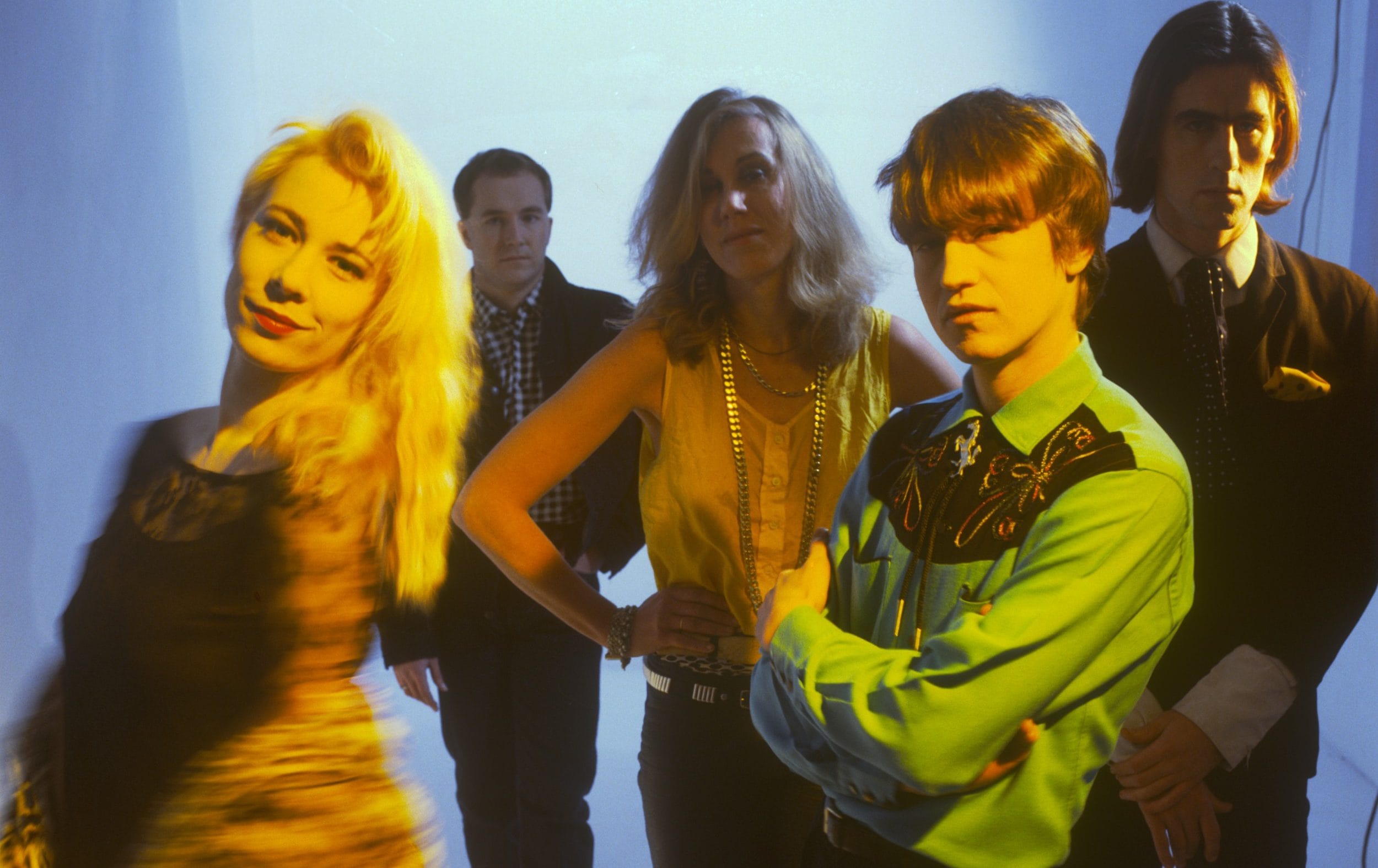
‘We were too quaint for a big hit’: Amanda Brown, Grant McLennan, Lindy Morrison, Robert Vickers and Robert Forster of the Go-Betweens - Peter Anderson/ Kew Media
“We were a quaint band,” says Lindy Morrison, former drummer of Brisbane, Australia’s Go-Betweens. “Too quaint for a big hit.” Morrison’s explanation of the band’s problem is precise, but it leaves out one thing: the Go-Betweens came tantalisingly close to a big hit. But just as they looked set to cross over to the mainstream, they split so acrimoniously it still resonates four decades later. Morrison’s former partner, guitarist, songwriter and author Robert Forster says: “Being in a pop group is one of the greatest things you can do with your life.” And if that group were the Go-Betweens, your life would not be without drama.
Formed in 1977 by Forster and his best friend and songwriting partner Grant McLennan – who died in 2006 – the band felt isolated from the start. Brisbane’s political weather was set by the authoritarian, socially conservative premier, Joh Bjelke-Petersen. New scenes were mushrooming across the UK and the US; in Brisbane, gigs were shut down by police. Forster and McLennan liked the Sex Pistols, but as “sensitive young men who met at university”, they didn’t want to be in a punk band. They were more attracted to New York’s slightly older, sometimes more literate, bands like the Ramones, Blondie, Television and Talking Heads. “We loved variety,” Forster says.
Their first single was Lee Remick, a fantastically scratchy, sunshine-pop hymn to the star of Days of Wine and Roses. Released on Brisbane’s tiny Able Records, just 700 copies were pressed; originals sell for around £1,000. While still a member of all-girl punk band Zero, Morrison went to see Forster and McLennan play a number of times. “We were perfectly matched,” she says. “I was a very basic player, and so were they.” In the summer of 1980, after a trip to the UK where Forster and McLennan had recorded a one-off single for Postcard Records, Morrison joined the band. There was one proviso. “It was made clear that I was not to write songs,” she says – a ruling that would have long-term consequences.
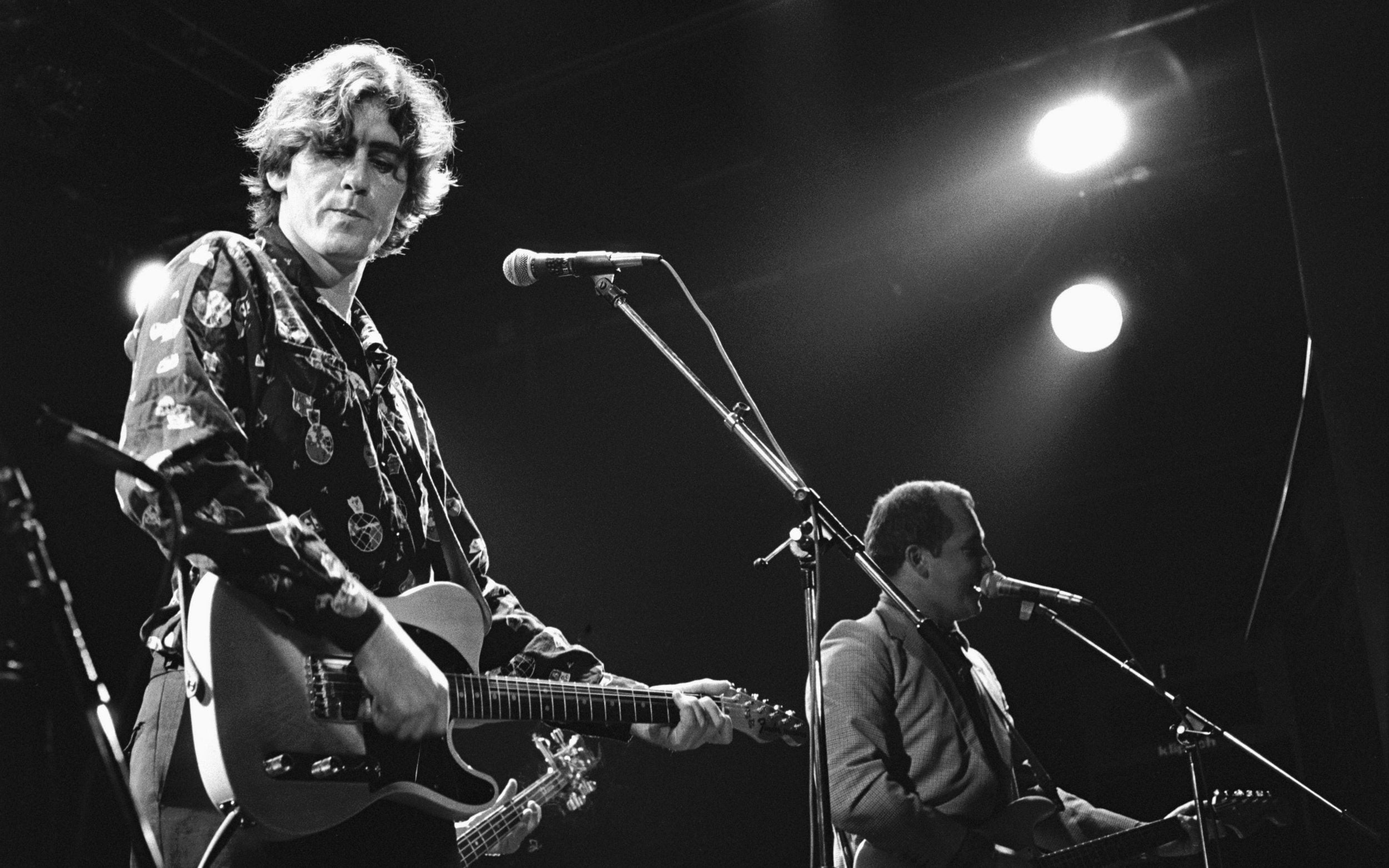
Robert Forster and Grant McLennan formed the Go-Betweens in 1977
Disinterested in trying to “conquer” Australia, the band moved to the UK. “New York looked too tough,” Forster says. “We were hopelessly romantic 22-year-olds.” They found themselves sharing a squat in Fulham with Nick Cave and his band, the Birthday Party. Cave later said he and his notoriously dissolute band existed “in a total state of disgrace”, while Morrison says now: “That situation got very tense for drug reasons.” Forster is more relaxed. “It was fine,” he says. “No one was taking jackhammers to walls.”
London was filled with music – the Cure, the Fall, the Cramps, the Teardrop Explodes and Echo & the Bunnymen – and these new arrivals drank it in. But the Go-Betweens were unlike anything else on London’s post-punk scene. “Robert liked to wear dresses when performing,” says Morrison. “The most elegant, lovely thing to do. And Grant was so bookish.”
After a handful of independent singles, and a mini-album, Send Me a Lullaby, the band – in Forster’s words, “a very fragile, edgy, low-volume, quirky three-piece” – released Before Hollywood in May 1983. While the album was full of mesmerically beautiful songs like Cattle and Cane and That Way, much of their label Rough Trade’s attention was taken up by the rapid rise of the Smiths. By the end of the year they’d been dropped.
Seymour Stein’s Sire Records – home to Madonna and Roddy Frame’s Aztec Camera – picked them up and Spring Hill Fair followed a year later. “We were world class,” Forster says. “And really competitive.” Sadly, neither of those things stopped Stein, who died in 2023, quickly dropping them. “I only met Seymour once,” says Morrison. “I thought he was a d---.”
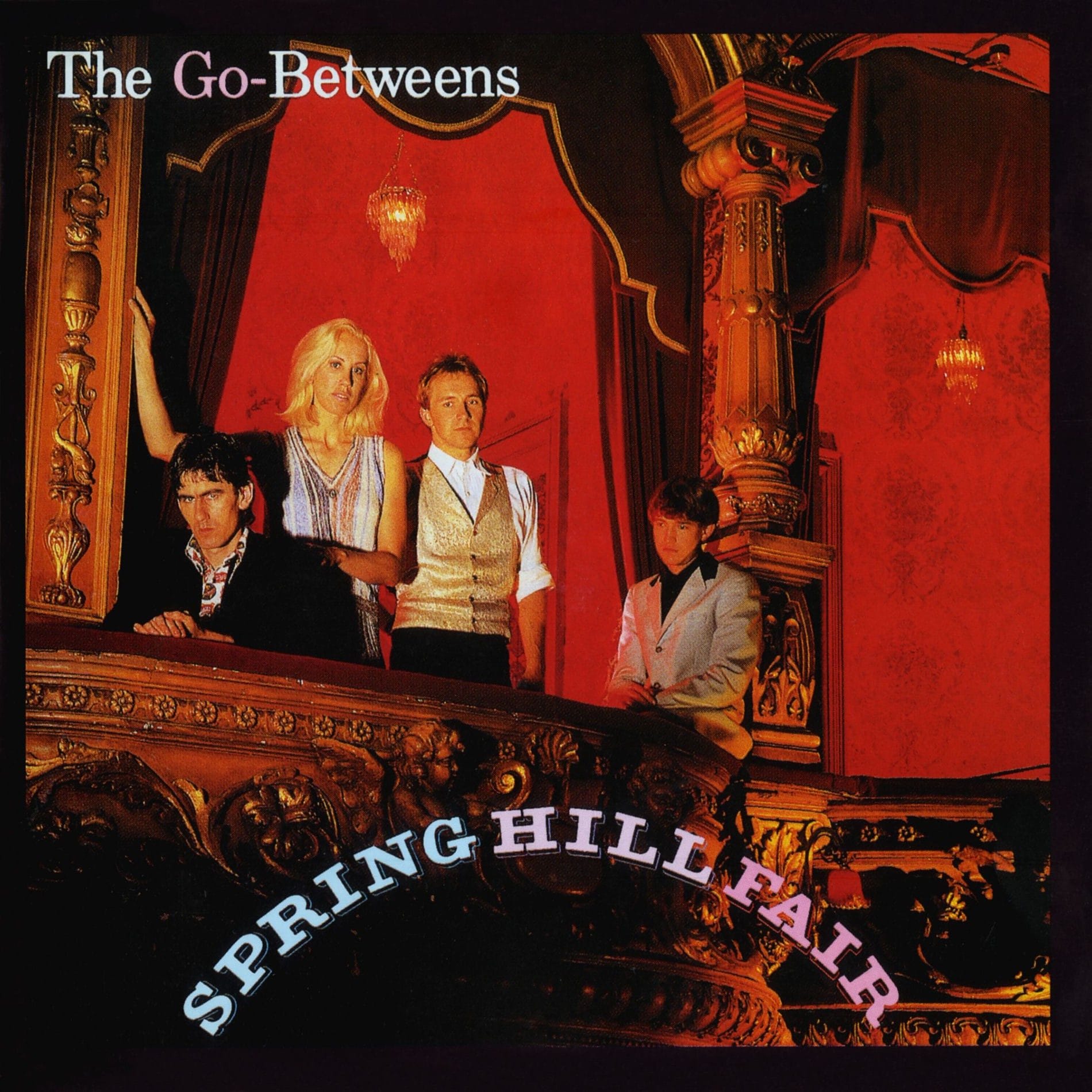
‘We were world class’: The Go-Betweens released Spring Hill Fair in 1984
Enter Elektra Records – riding the huge waves created by Simply Red – who quickly signed them. Halfway through recording the Liberty Belle and the Black Diamond Express album, the label’s UK operation folded. Managing director Simon Potts – who now rides the huge waves outside his surf shack in Hawaii – paid for the band to finish the record and, in late 1985, handed the tapes to the band’s manager Bob Johnson. Johnson took the tapes to Beggars Banquet and “bang,” Forster laughs. “We’re on the label.” The band considered it an unusual home: Beggars was known for goth-rock. “We thought, ‘OK, we’re on the same label as the Cult,” Forster says. “That’s weird. But good.”
“I was just so thrilled that somebody wanted us and our records would be paid for,” Morrison says. Liberty Belle was released in March 1986, preceded by the single Spring Rain. While on tour in Australia the Go-Betweens recruited multi-instrumentalist Amanda Brown who became a full member later that year. Everything felt good. “We knew we’d made a classic,” Forster says.
The push to widen the band’s audience came in 1987 with the recording of Tallulah. Keen for a hit, Beggars brought in Craig Leon – who’d recently produced Doctor & The Medics’ No 1 Spirit in the Sky – to magic up the single, Right Here. Morrison says that, in the practice room, Leon played her live drum parts, then played some drum machine tracks. “He turns to the men in the band and says, ‘What do you think would be the best for a hit record?’ And they went with the drum machine.”
Advertisement
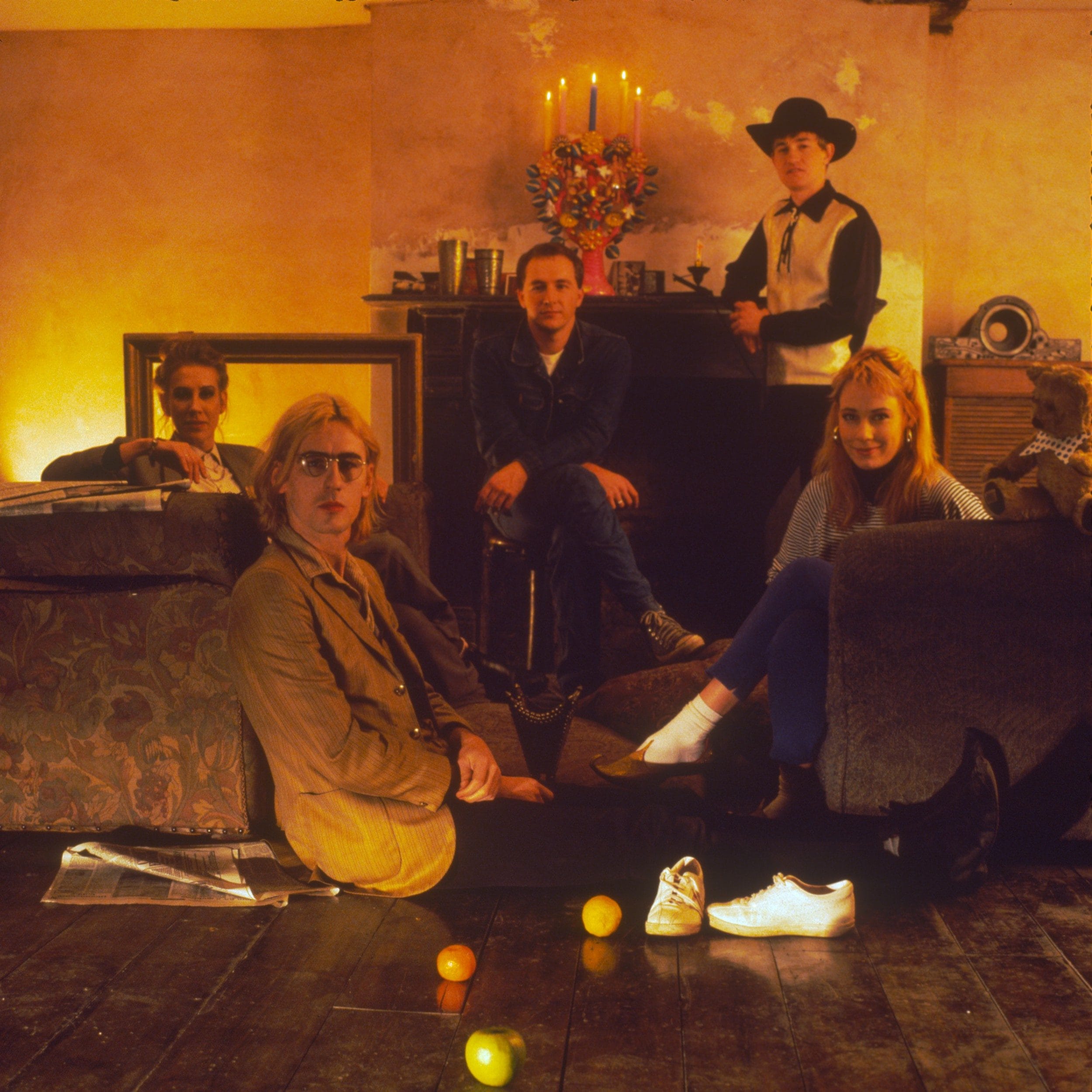
The push to widen the band’s audience came in 1987 with the recording of Tallulah - Peter Anderson
Morrison went into the bathroom and, “cried and cried. Craig Leon was a c---.” Forster says he can’t remember Leon ever playing him drum-machine parts. “I, for one, would have gone, ‘that’s f---ing awful,” he says. “That doesn’t sound like us. But we all realised that he was always going to use a drum machine anyway. That was his last-minute ambush.”
On the road, things were happier. Forster says the best shows the band ever played were on the 1987 tour to support Tallulah. One of those shows, recorded in London and long since thought lost, is being released as Fountains Of Youth. “That album’s a real treat,” laughs Morrison. “We were fantastic live.”
But that desire for a hit wouldn’t go away and while recording 1988’s 16 Lovers Lane album, the band thought they had one. McLennan’s Streets of Your Town was a lush, aching sigh – a perfect pop song. Potts, by then at Capitol Records, signed the band for the US, doubling the album’s budget. Beggars released the song in July 1988 and reissued it a year later. Radio 1 loved it. It peaked at No 80. The band never had a Top 40 single or album.
In 1989, the band toured with REM, playing to huge audiences across Europe and Australia. But back home for Christmas, Forster and McLennan informed Morrison and Brown the band was finished. “It was devastating,” Morrison says. “Ten years of my life gone and Grant says, ‘Just go back to what you were doing before.’”
“I don’t agree with any of that,” counters Forster. “Grant wanted to leave. I was happy to leave. I’d already walked out once in 1987 because I didn’t like what was happening.”
McLennan and Forster released solo records on Beggars, then reformed the band – without any past members – in 2000. Forster wrote, movingly, about his long friendship with McLennan – who died of a heart attack aged 48 – in his 2016 book, Grant & I. Morrison became an expert on record-company contract law. In 2016, after years of telling Beggars founder Martin Mills she feared, as a non-songwriter, she would “die without ever seeing a royalty”, Mills improved royalty rates and wiped old balances for those artists who’d never recouped money spent on them.
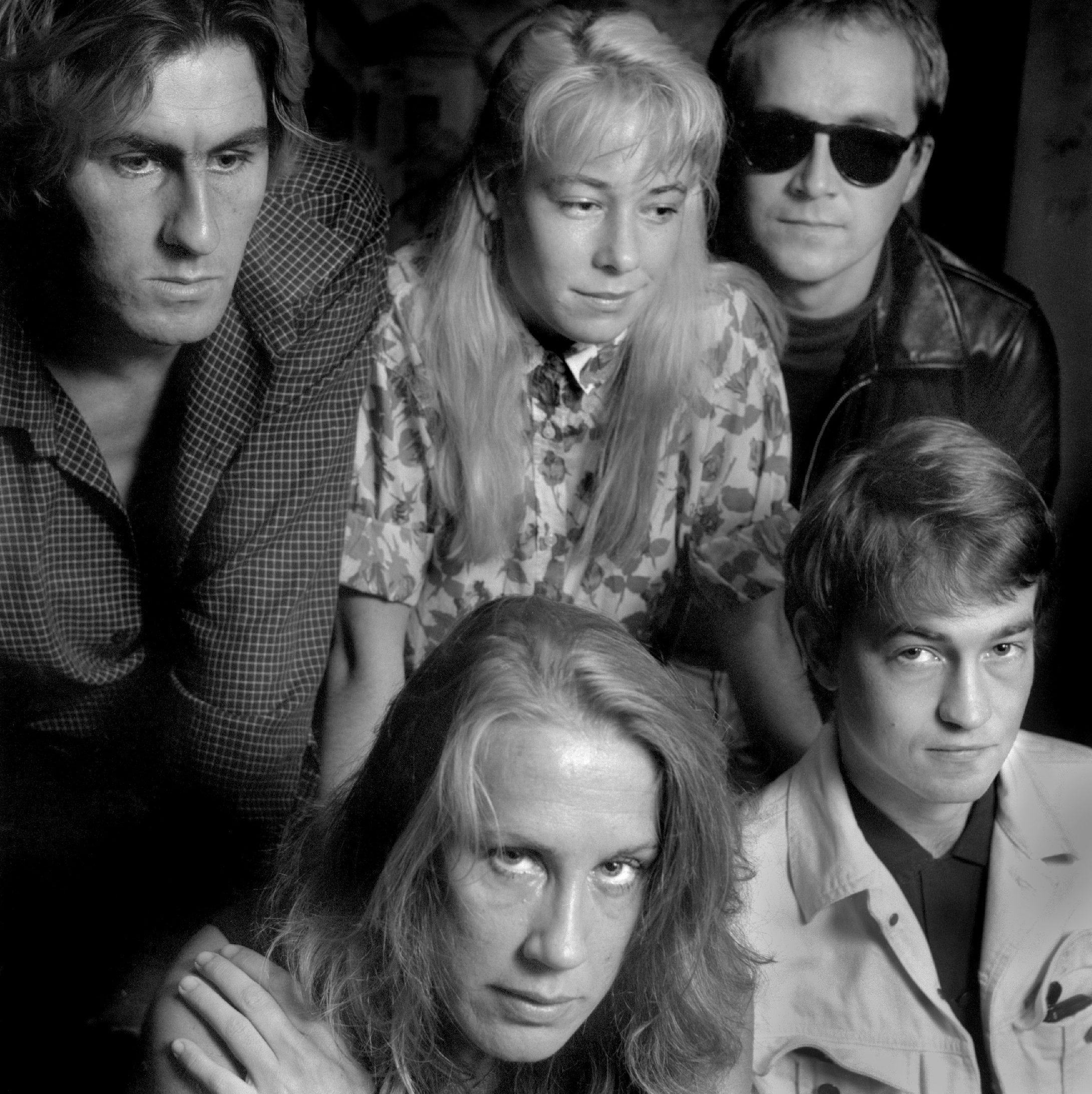
Lasting allure: the Go-Betweens’ golden-period albums have been reissued - Rick McGinnis
“[The changes] were applied across the board, not just to the Go-Betweens,” Mills tells me. “But Lindy had an impact on those decisions.” Morrison says: “That was the greatest thing she could have done.”
Now the Go-Betweens’ golden-period albums have been reissued, I ask Morrison if she’s made it up with Forster. “It’s more complicated than a friendship,” she says. “But it’s a relationship of a type.” Forster considers Morrison “a very intelligent, inquisitive person. It’s good we’re more in contact now.”
Many other musicians who heard the Go-Betweens recognised their greatness. REM, for one. In a 1986 NME interview, McLennan recalled that Morrissey had a copy of Before Hollywood a year before the Smiths put their first album out. “I know where Morrissey’s coming from,” he said. “It’s Before Hollywood, and good luck to him because it’s a great record.” Teenage Fanclub and Belle and Sebastian would both acknowledge their influence. Nick Cave recorded with them in the (very) short-lived band Tuff Monks.
But what made them so special? Morrison has a theory. “Two songwriters. Grant was a pop writer who could write 100 songs in a year, he always wanted to make things more melodic. Rob was the minimalist – always subtracting to make things more unusual. His songs were complex and fascinating.” Forster says the band made “adventurous pop music”. The lasting allure of the Go-Betweens, he thinks, was they knew how to stay inside a form, but really “push its limits”.
The Go-Betweens’ Liberty Belle and the Black Diamond Express, Tallulah, 16 Lovers Lane and Fountains of Youth: Live at the Town and Country Club are on release now
Source: “AOL Entertainment”
