


The social care crisis can be fixed by the market
The social care crisis can be fixed by the market

Telegraph ViewSat, July 25, 2026 at 6:39 PM UTC
0
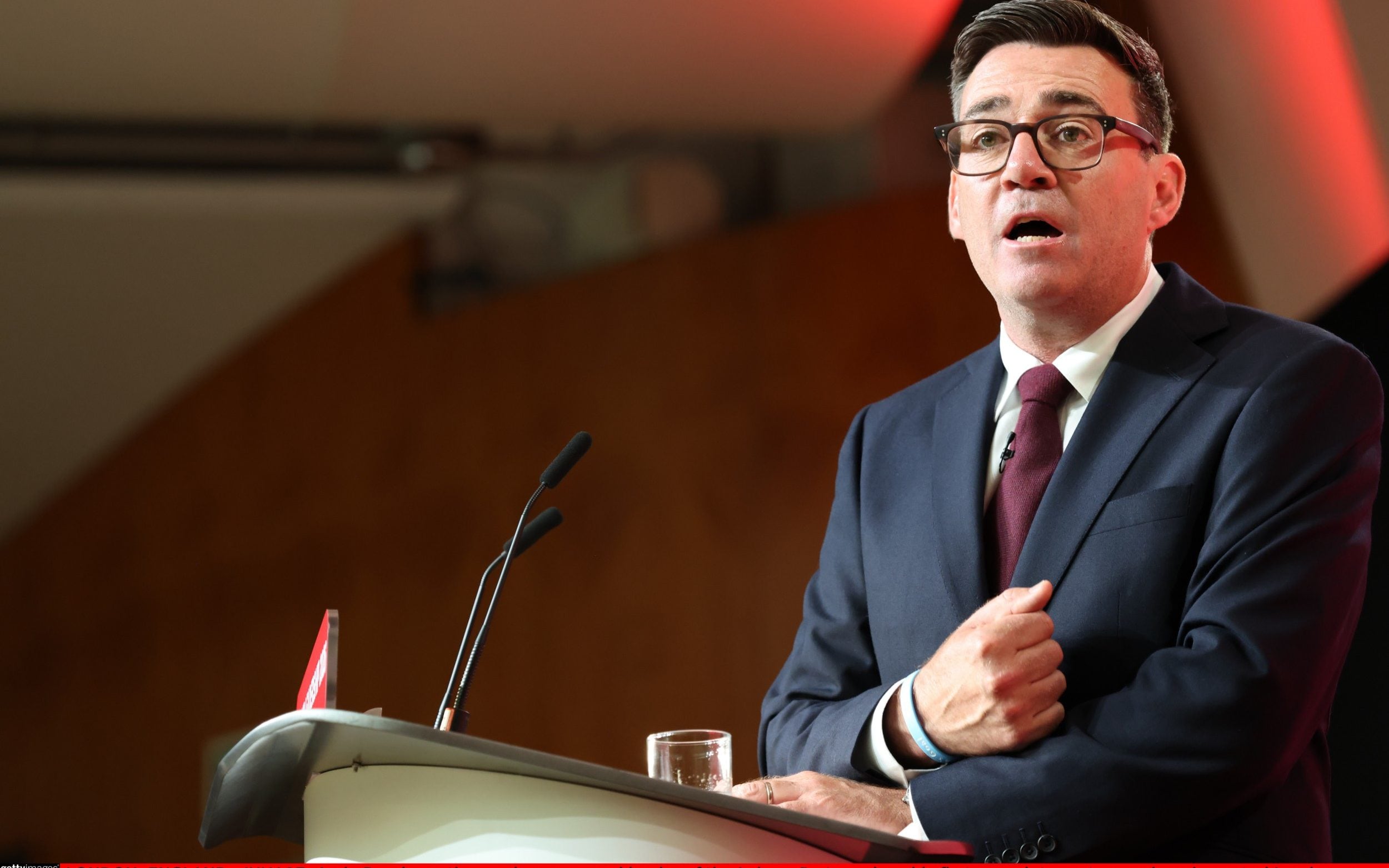
PM has suggested that taxes could rise to fund a new national care service for Britain - Nicola Tree/Getty Images
Andy Burnham is not wrong to highlight Britain’s demographic time-bomb. Back in 1972, the era for which our new Prime Minister has so much misguided nostalgia, 7.5 million citizens – or 13 per cent of the population – were over 65. According to the Office of National Statistics, this could rise to 22.1 million people (27 per cent of the population) by 2072.
This rebalancing of our demographic centre of gravity towards retirement presents obvious challenges: labour market shortages, sagging productivity as people continue to work into old age, and pressure on pension ages, housing and the funding of public services.
The most painful financial pinch-point is social care. Burnham, whose father suffers from Alzheimer’s disease, feels the problem keenly. For decades, demand has risen against a backdrop of under-funding, an unstable and low-paid workforce and a political system resistant to reform.
This has resulted in chronic understaffing, symbolised by long trolley waits for the elderly in hospitals. In January, the number of people waiting in the corridor for more than 12 hours peaked at 71,517, the highest figure since monthly records began in August 2010.
The best solution would be an insurance-based system, where Britons would be encouraged to pay into a fund that would cover their own care in old age, should they need it. With the political will, a thriving, competitive market of provision could be nurtured.
Welfare cuts and a package of growth would also help close the financial black hole.
Advertisement
But, in the mind of our socialist Prime Minister there is only one solution: an NHS-style system – estimated by the Health Foundation to cost an extra £18.7bn a year by 2035 – funded by tax increases.
Ever since he was health secretary under Gordon Brown, Burnham has coveted the bequeathments of the deceased. In March 2010, he presented the White Paper “Building the National Care Service”, which proposed a compulsory 10 per cent levy on all estates.
Attacked by the Tories as a “death tax”, it contributed towards Labour’s defeat at the hands of David Cameron six weeks later.
Since at least 2019, YouGov has run a continuous tracker asking “how fair or unfair is inheritance tax?”. The levy, syphoned from money that has been taxed once already, has consistently been seen as the most unfair of all major taxes. Fifty-four per cent of the public now wants this immoral burden scrapped entirely. They are right.
Yet replacing it, or supplementing it, with a revived version of Burnham’s “death tax” would be even worse. It won’t work. By broadening the tax base while cutting the rate for the biggest estates, it would offer no benefit to the poor, hit those in the middle hardest; and offer the wealthy a big tax break.
It would also likely raise far less than the current system, forcing Burnham to raise other taxes to cover the full cost.
What sort of country do we want to be? Are we to continue the drive to full Big State decline, or will we grasp the alternative? For now, that choice is up to Mr Burnham.
Source: “AOL Money”
