


Tom Stoppard was a champion of an English idea of freedom that is dying
Tom Stoppard was a champion of an English idea of freedom that is dying

Charles MooreFri, July 10, 2026 at 2:20 PM UTC
0
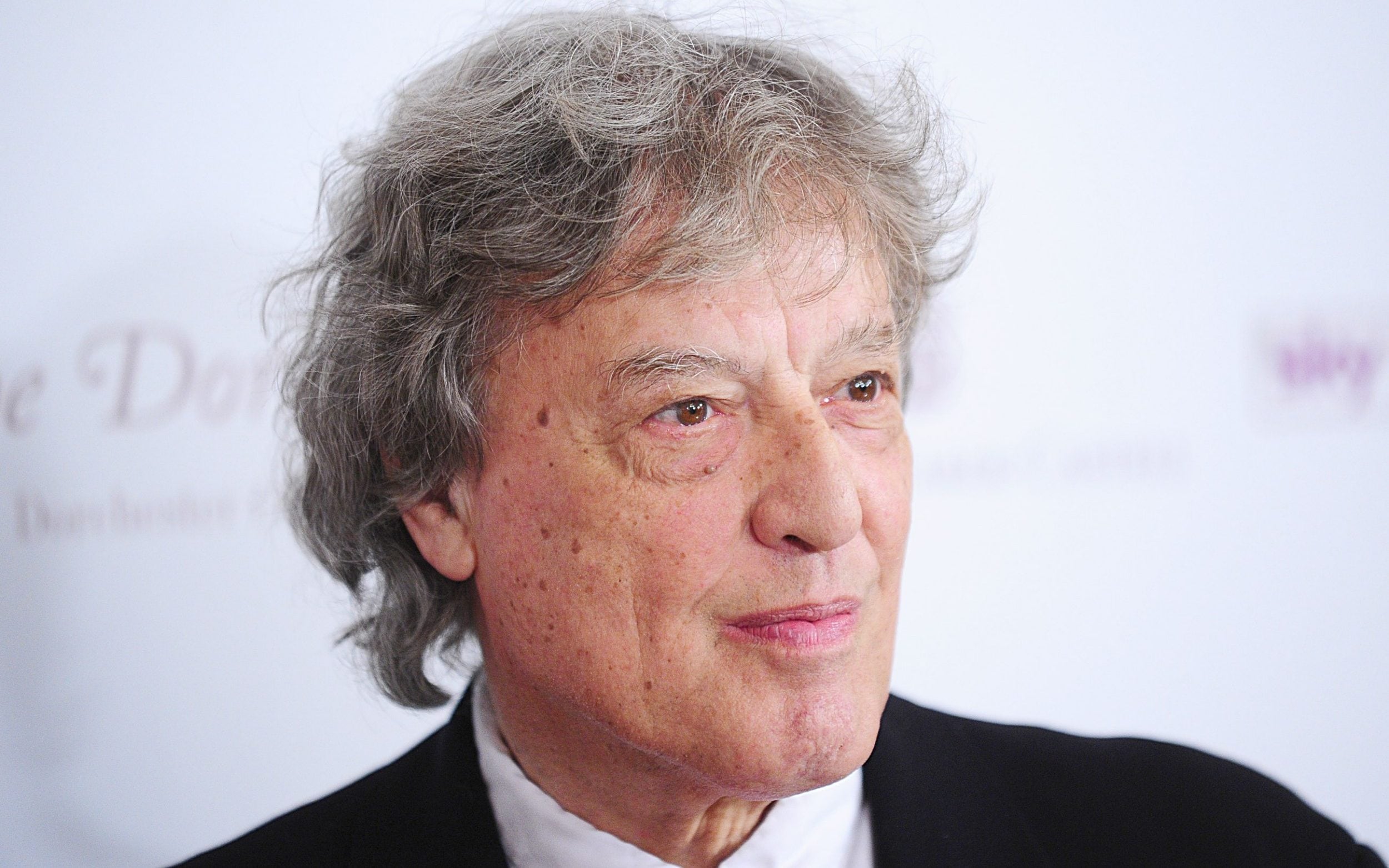
Stoppard never resiled from his belief in his luck to have become British - Ian West/PA
On Thursday, the National Theatre closed its doors to the public to put on a unique event – the celebration of the life of Sir Tom Stoppard, probably our greatest playwright of the past 100 years. He was as witty as Wilde, but wiser, deeper, more elusive.
It was quite a show. The King and Queen came. Stoppard’s family, friends and former colleagues filled the huge Olivier Theatre. Some of our best actors – Benedict Cumberbatch, Harriet Walter, Jeremy Irons, Sinéad Cusack, Toby Jones, Tom Hollander, Stoppard’s sometime lover Felicity Kendal, plus Glenn Close from the United States – acted out short scenes from Tom’s plays.
These were interspersed by speeches from Trevor Nunn, Richard Eyre, and then – a coup de theatre in itself – Mick Jagger. Sir Mick made us all laugh as he talked about the intensely highbrow Stoppard as a keen fan of rock and roll: Tom the mind, Mick the body.
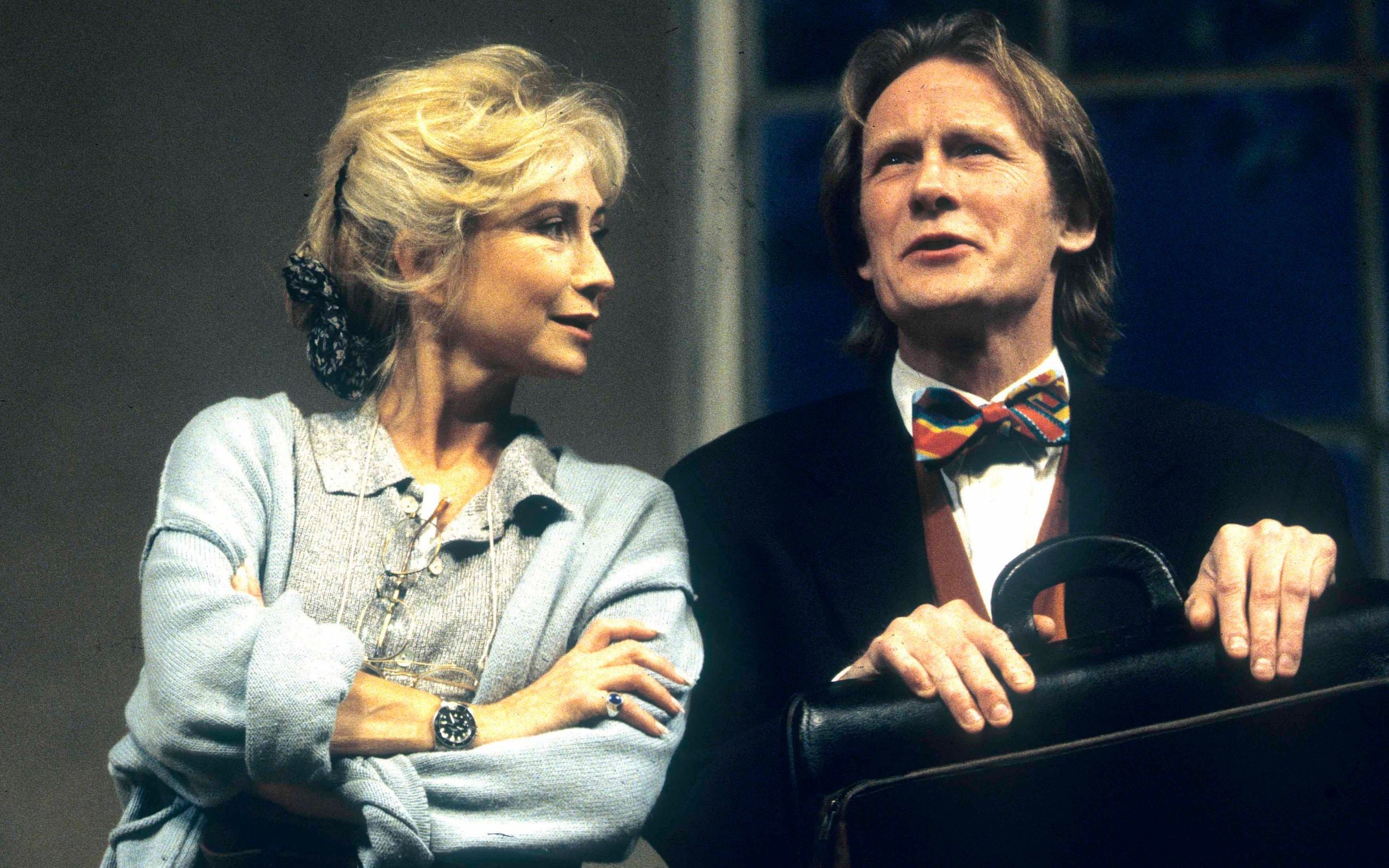
Felicity Kendal stars with Bill Nighy in Stoppard’s Arcadia at the Lyttelton Theatre in 1993 - Alastair Muir
Clips from Stoppard’s own interviews punctuated the scenes. His voice and accent were distinctive – carefully, cleverly English but with a slightly foreign roll of his Rs which traced back to the Czech Jewish boy who, via Singapore and India, had escaped the Germans and been brought here after the war by his mother and his English stepfather. The Nazis murdered all four of his grandparents.
Stoppard often spoke of himself as having had “a charmed life” in England, for which he was forever grateful. So many things contributed to this, including obviously English things such as cricket, but if you had to find one word for what he so valued (I can almost hear Tom complain over my shoulder that finding only one word would be futile), it would be “freedom”.
That word is often worn out by overuse, but Stoppard loved freedom, was fascinated by it, and found it here in Britain, having escaped here from a world gone mad. In his life and thought and writing, he embodied it.
What was this freedom in his mind? Some of it resided in recognised institutions, such as our Parliament, our press, our right to own property, our law. Though no political activist, Stoppard campaigned for the export of such things in the Cold War and celebrated their possibilities (with the Rolling Stones) in his native Czechoslovakia as the Velvet Revolution overthrew Soviet communism.
As a man who had started his career in provincial newspapers, he was one of the very few celebrities who actually liked our trade – it is a trade of words, after all – and he knew how much freer our papers were here than almost all their foreign equivalents.
But freedom, for Stoppard, was much more than a public and political thing, a media cacophony or a set of rights to be loudly claimed. It was a way of being for a whole culture and for each individual. In his trilogy, The Coast of Utopia, one character remarks of another: “He’s a free man because he gives away freely. I’m beginning to understand the trick of freedom. Freedom can’t be a residue of what was unfreely given up, divided up like a fought-over loaf.”
This sense of freedom as something we achieve by what we give away linked it in Stoppard’s mind with another word, repeated ever more strongly from September 11, 2001, “kindness”. His perpetual interest in words led him to play with the double-meaning of “kind”, as in being nice to people and as in “humankind”. The adjective “kind” derives from the word “kin”. In a rightly ordered free society, human beings will want to be kind to their kin, to all other human beings. In an unfree one, they will be too frightened.
Advertisement
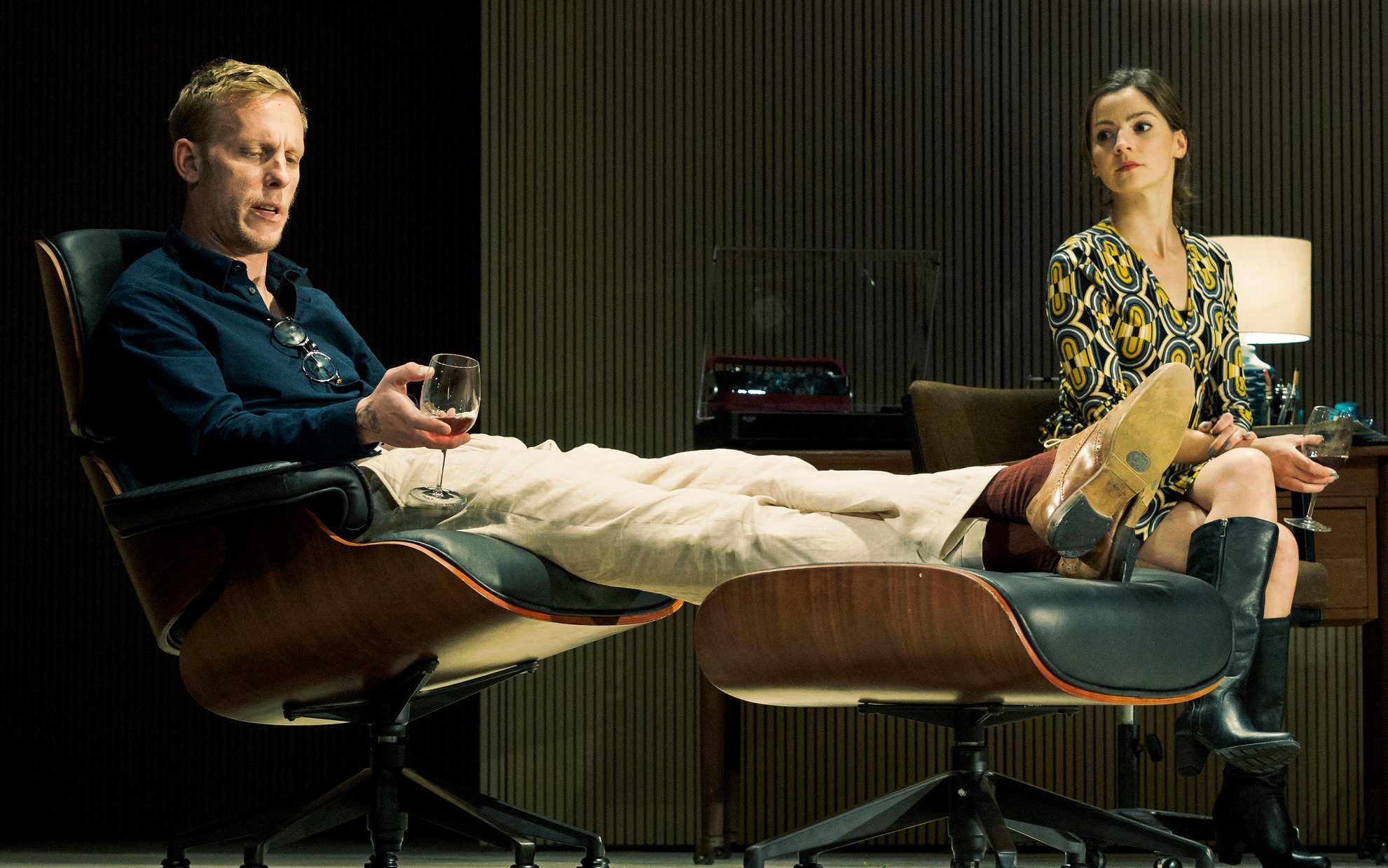
Laurence Fox and Flora Spencer-Longhurst perform in The Real Thing by Tom Stoppard in 2017 - Edmond Terakopian
Revolutionaries, he thought, did not understand this, because they were utopians. Artists were their opposite. Freedom and kindness and the civilisation that lies behind them could not exist without the right words. More than anyone in our age, he found those right words, often hidden in jokes, always absent in platitudes. Stoppard could explain, with his subtle combination of modesty and authority, why words matter. In The Real Thing, one of his characters says: “I don’t think writers are sacred, but words are. They deserve respect. If you get the right ones in the right order, you might nudge the world a little.”
I have been speaking of Stoppard’s idea of freedom in the past tense. This is partly because he is dead, but also because there is at least the possibility that his idea of freedom is dying too.
He had thought about this himself. At Thursday’s celebration, every guest was handed a copy of a lecture related to writing and freedom which Stoppard gave in 2013. It has the one-word Latin title Circumspice, which means: “Look around you.” He laments “the England we have mislaid” and gives examples of what is wrong: “Surveillance…Phone hacking [he did not love the press uncritically]…Celebrity culture... Health and Safety. MPs’ expenses. Political correctness. Internet porn. Targets as in the NHS. Managers as in the BBC. Bankers’ bonuses.”
It occurred to me to imagine how Tom could have added to this list if he were speaking today. He might (though of course I cannot read his ever-teeming mind) have mentioned woke; non-crime hate incidents; tech bros; cancel culture; “Henry VIII powers”; facial recognition devices; data capture; DEI; “decolonising” the curriculum; and – a cloud not much bigger than a man’s hand in 2013, but now a thunderstorm – anti-Semitism.
Would he have been able, in the intervening 13 years, to discern countervailing trends in which the England he loved had recovered freedoms? Not many, I fear, except perhaps some stirrings of revolt against the tyranny of bad and repressive ideas.
With his ever-present alertness to the irony which words contain, Stoppard came, as he grew older, to play with his own phrase about his “charmed life”. He never resiled from his belief in his luck to have become British. He even wrote: “If politics is not about giving everybody a life as charmed as mine, it’s not about anything much.” But he did see how the pleasure of such a life might make him inattentive to terrible things. He thought more about his Jewish origins and turned this into his last play Leopoldstadt, which tells the history of five generations of a Viennese Jewish family.
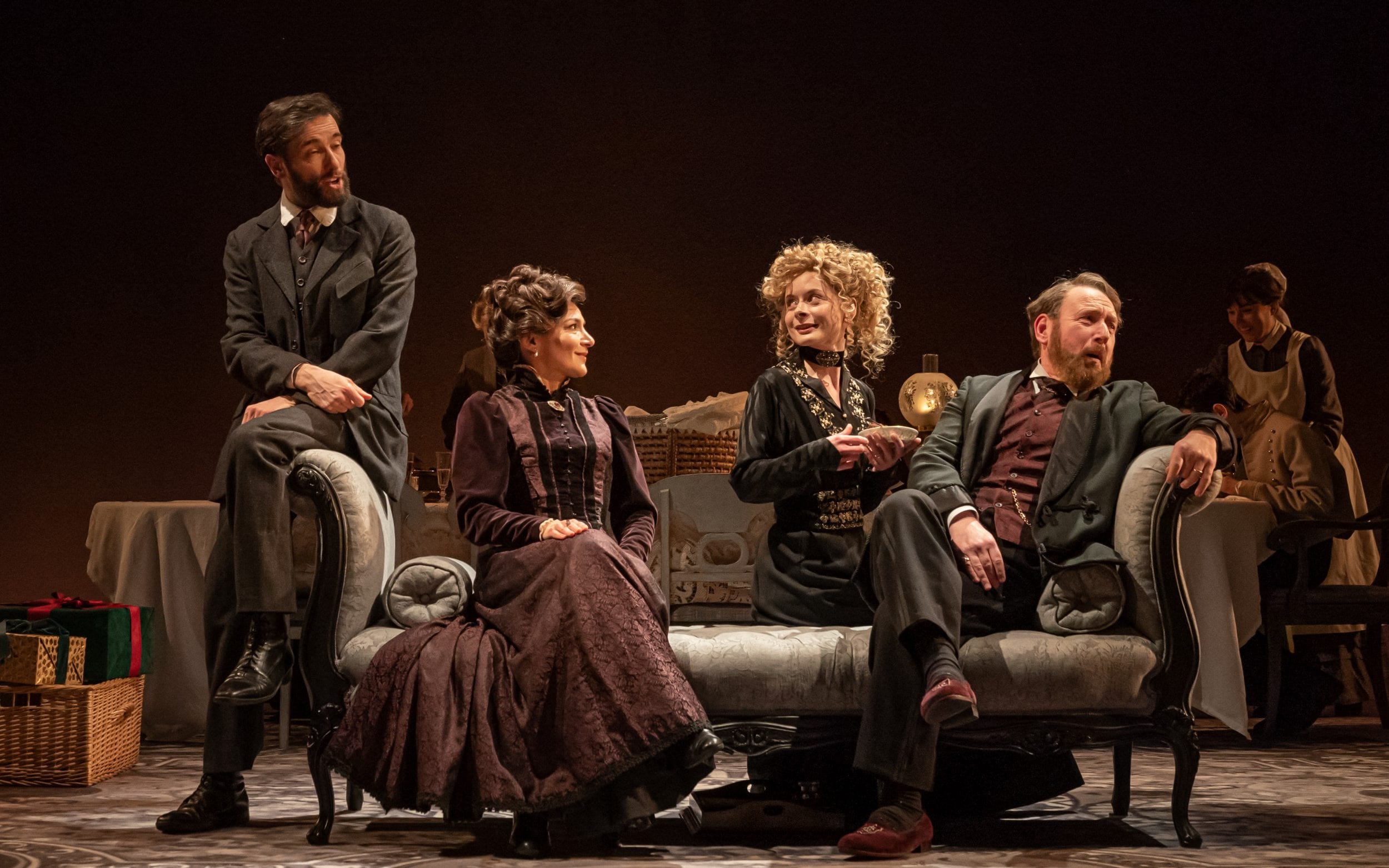
Tom Stoppard turned thoughts about his Jewish origins into his last play, Leopoldstadt - Marc Brenner
It contains a scene, performed at the National Theatre’s celebration, in which three survivors meet in 1955. One of them, Leo, is British and reluctant to dwell on the family’s past persecution. He is happy with his situation and his non-Jewish identity, proud of it even, but now half-sees that his charmed life has hidden some of the truth from him.
Leopoldstadt was first staged only six years ago, and now, as was unimaginable even so recently, Jews have been murdered in a British synagogue. Stoppard did not explicitly predict such things but, despite his Anglophilia, he developed a blessedly un-English lack of complacency from which we must try to learn. Our civilisation could die. Certainly the wrong words will eat away at it and the right ones will help save it.
Here are some famous words from WH Auden on the death of WB Yeats. They are an exhortation to all great writers: “In the prison of his days/ Teach the free man how to praise.”
This Tom Stoppard did, and will continue to do, so long as plays are read and performed.
Source: “AOL Entertainment”
