


Why Royal Babies Have So Many Names (and Which Monikers Are Off-Limits)
Why Royal Babies Have So Many Names (and Which Monikers Are Off-Limits)

Bailey BujnosekSun, August 16, 2026 at 1:30 PM UTC
0
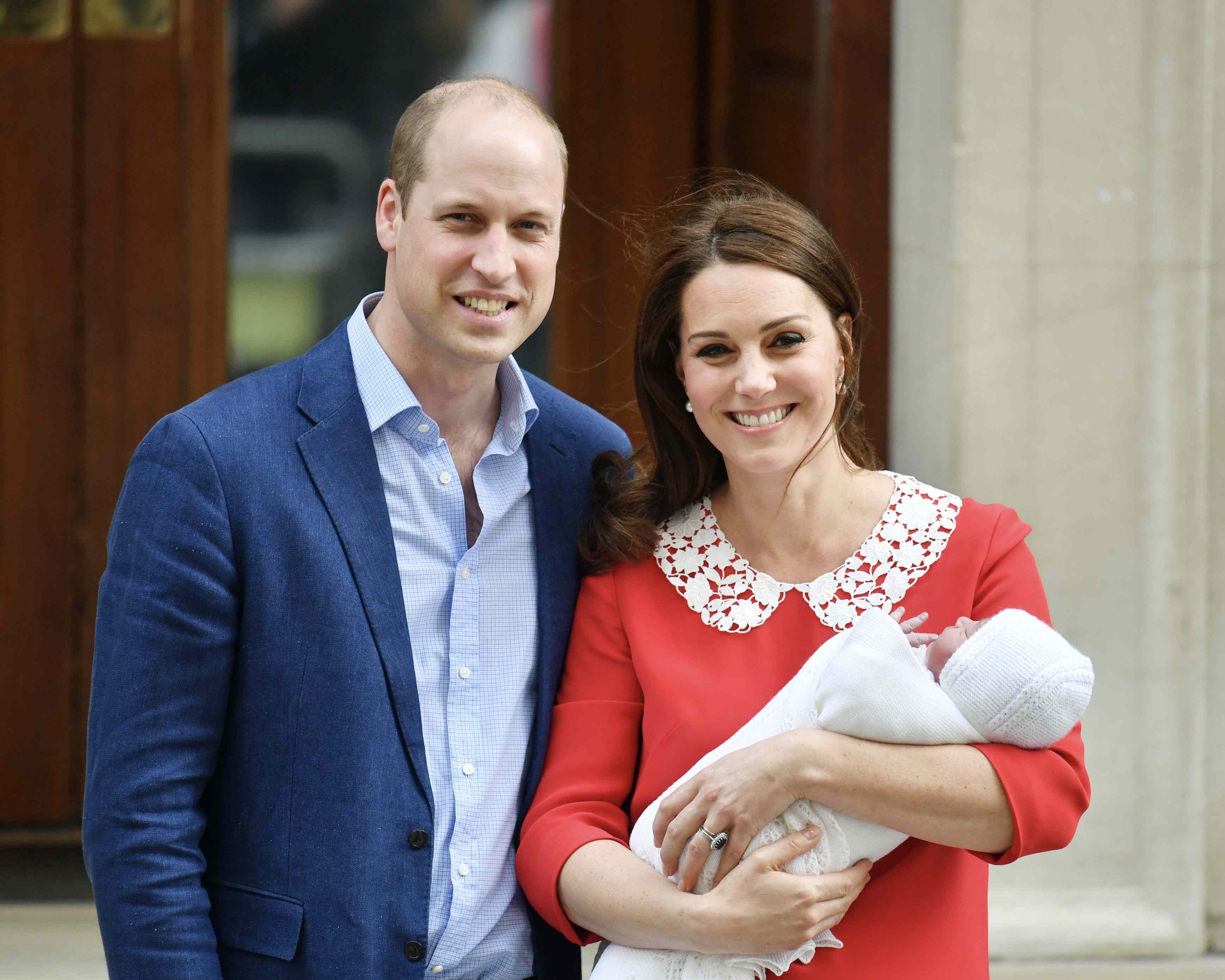
Prince William and Kate Middleton outside St Mary’s Hospital with son Prince Louis in April 2018.Credit: Dominic Lipinski/PA Images via Getty ImagesThe Gist -
For the last few centuries, British royals have had four given names, often chosen from the names of past rulers and respected relatives.
Modern royals like Prince William and Prince Harry continue the tradition of awarding multiple names to their kids, but stick to three.
Royal children who are born further down in the line of succession tend to have more unique names, according to royal experts.
Royal baby news always comes with a wave of speculation. Will the little one be more like one parent than the other? How will the royal nursery be decorated? And, perhaps most importantly, what will the parents name their new family member?
Ahead of Kate Middleton and Prince William’s first child’s arrival in 2013, CNNreported that royal watchers were betting on the likelihood that his name would be George (James was a close second pick). They were right: The current heir apparent is Prince George, full name George Alexander Louis.
Those who aren’t quite as close to the front of the line for the throne often have more creative names—perhaps because they have more freedom to break from tradition. Princess Eugenie, a niece of the king, named her sons August and Ernest. She’s expected to soon reveal the name of her daughter, born in August 2026.
Regardless of one’s place in the line of succession, naming a royal baby is no simple matter. Here’s everything to know about how a royal child gets their name, and why they tend to have three or more monikers in total.
It’s traditional for royals to have three or more names to honor relatives.
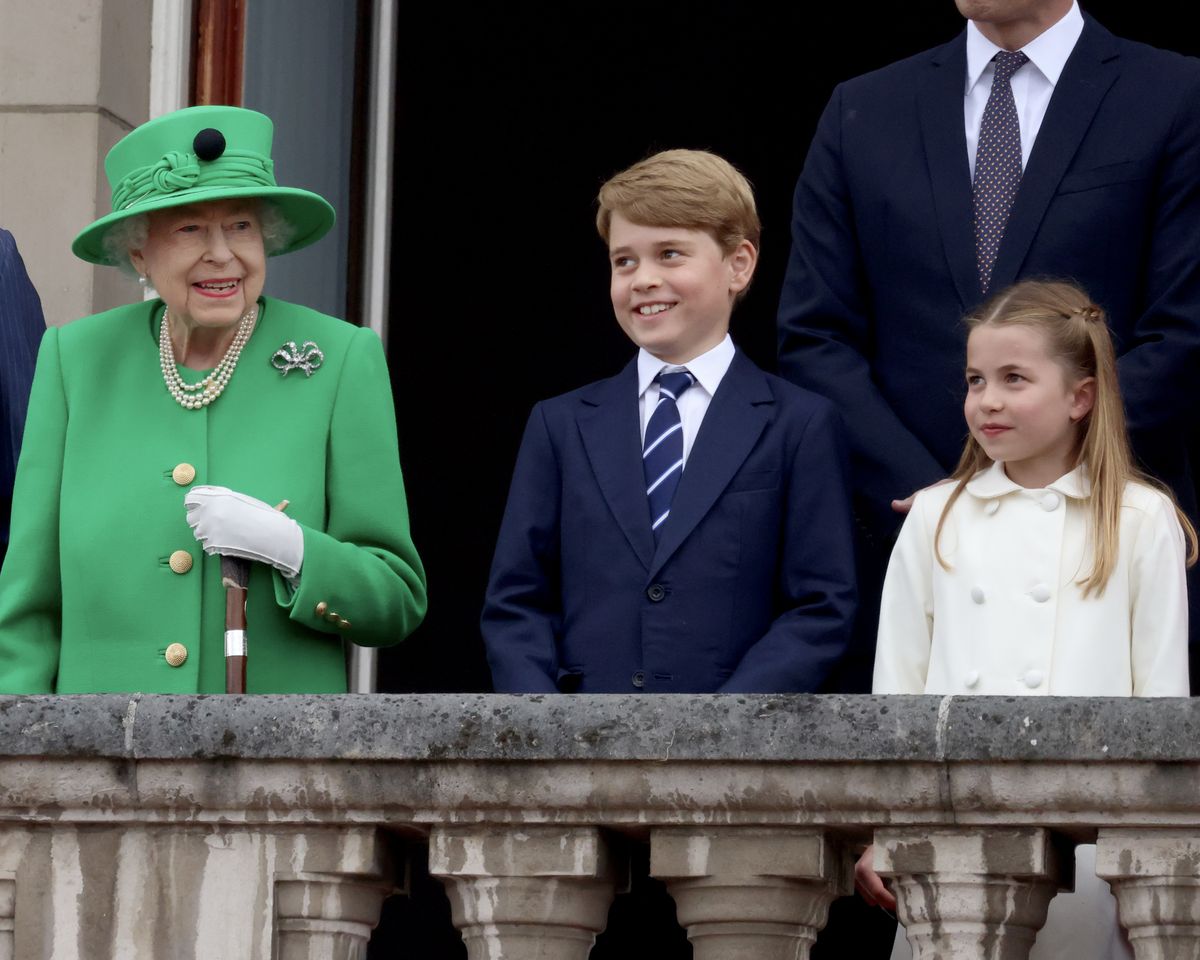
Queen Elizabeth with Prince George and Princess Charlotte on June 5, 2022.Credit: Jonathan Buckmaster - WPA Pool/Getty Images
Just like the non-royals of the world, Britain’s princes and princesses pay tribute to loved ones by bestowing their names upon their children. Take Princess Kate and William’s daughter Princess Charlotte, for example. She was named Charlotte Elizabeth Diana upon her birth in May 2015. Per the BBC, Charlotte was likely chosen because it’s the feminine version of Charles, a nod to William’s father. Elizabeth, of course, nods to the late Queen Elizabeth, while Diana was a way for the couple to honor William’s late mother, Princess Diana.
Four names used to be the norm—Prince William was born William Arthur Philip Louis, while his brother was christened Henry Charles Albert David—but the youngest royals more often have three names. It’s another subtle way the monarchy is evolving.
Names that won’t be in rotation and are considered ‘off-limits’? Those of royals who were or are disgraced, like the former prince Andrew Mountbatten-Windsor. In July 2026, The Telegraph reported that only 127 Andrews were born the year prior, with the name hitting a record low in usage after the scandals plaguing Charles’s brother were publicized.
Advertisement
Royals don’t typically have a surname.
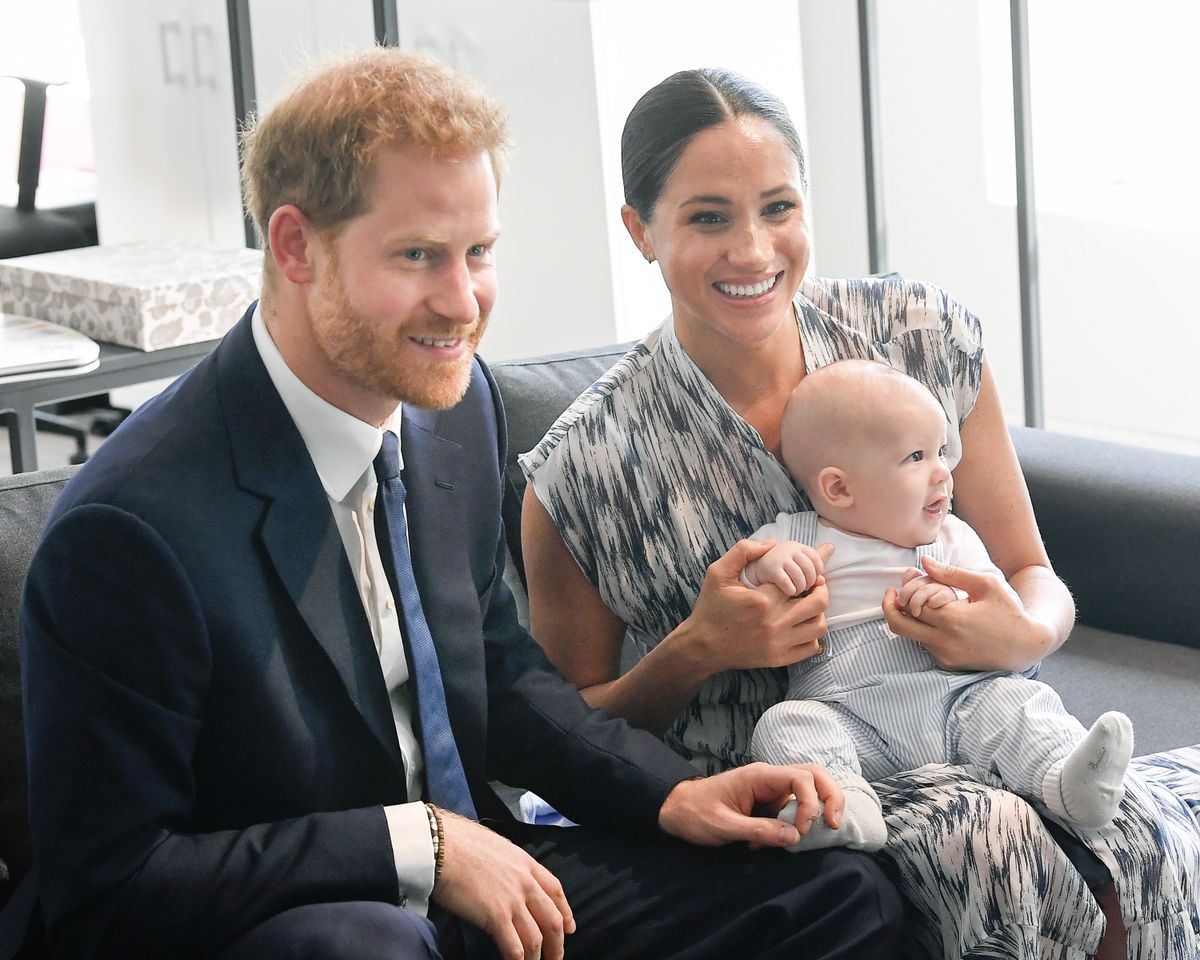
Prince Harry and Meghan Markle with son Prince Archie on a 2019 royal tour of South Africa.Credit: Reuters/Toby Melville/Pool
While royal babies are rich in first names, they typically don’t have a surname. If they need to use one—such as to register a marriage—they might put down Mountbatten-Windsor. The family name is a combination of the late Prince Philip’s adopted surname, Mountbatten, and Queen Elizabeth’s house name, Windsor.
At school, William and Kate’s kids use Wales as their last name in reference to their parents being the Prince and Princess of Wales. William and his brother Harry did the same when they were students. As of 2024, Harry’s two children with wife Meghan Markle use the functional last name Sussex, referring to their parents being the Duke and Duchess of Sussex.
The children of other royals who married commoners may bear their father’s last name. Princess Eugenie’s kids, for example, have the last name Brooksbank after their father, marketing executive Jack Brooksbank.
Those lower in the line of succession tend to have more unique names.
“The further down the line of succession, the more likely you are to have a more unique or untraditional name,” professor and Raising Royalty author Carolyn Harris told The Independent in 2022. There’s no rule banning an heir from naming their child after a color or city, but using oft-traditional family names lends historical weight to a future ruler from the day they’re born.
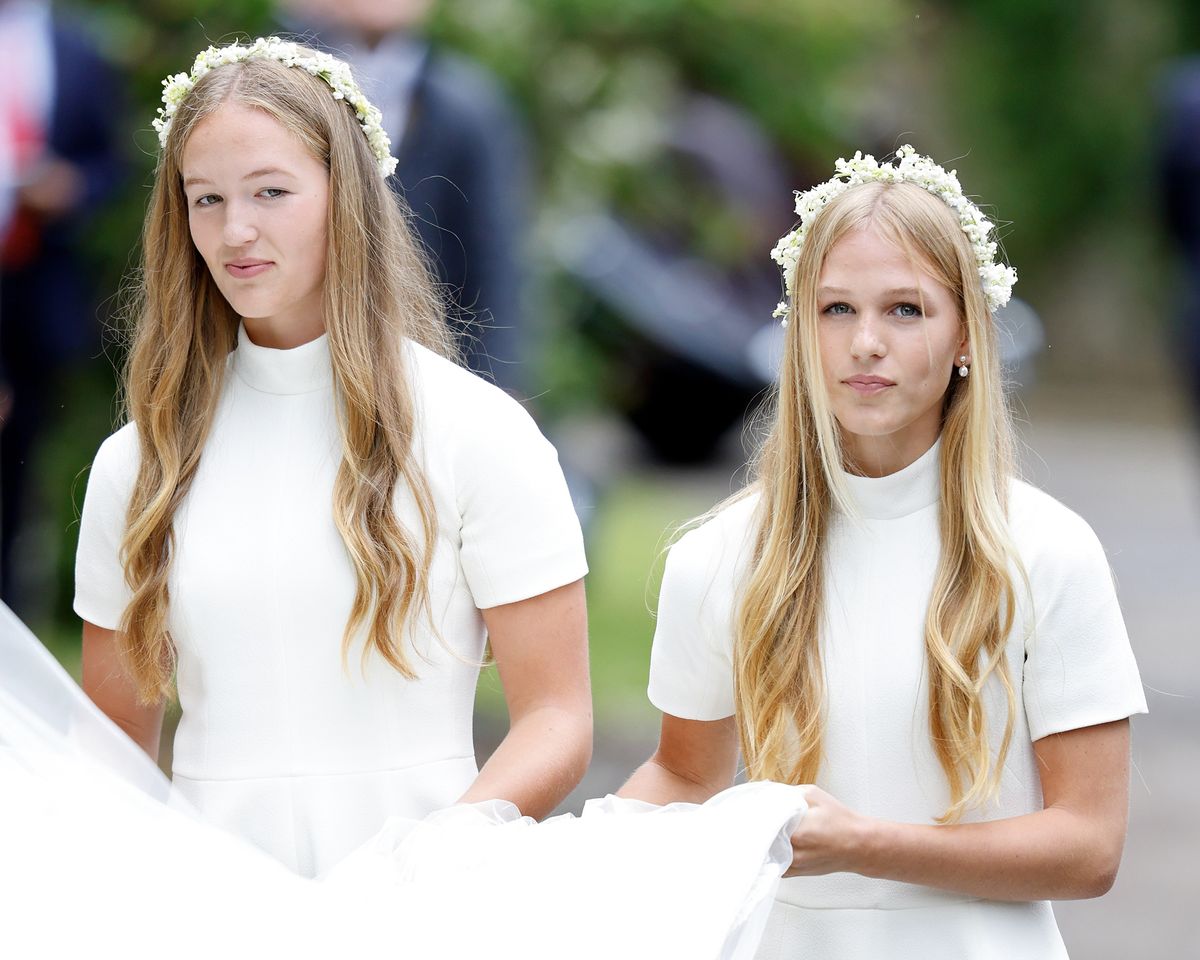
Savannah and Isla Phillips at the wedding of Peter Phillips and Harriet Sperling on June 6, 2026.Credit: Max Mumby/Indigo/Getty Images
A glance at the line of succession seems to back up the distance-equals-uniqueness principle. While early spots go to George and siblings Charlotte and Prince Louis, spot 20 goes to Savannah Phillips, the first great-grandchild of Queen Elizabeth. She’s followed by sister Isla Phillips. Neither girl holds a royal title, but their names are among the trendiest of all the Windsor cousins.
Royals allegedly ran baby name ideas by Queen Elizabeth—but didn’t require her approval.
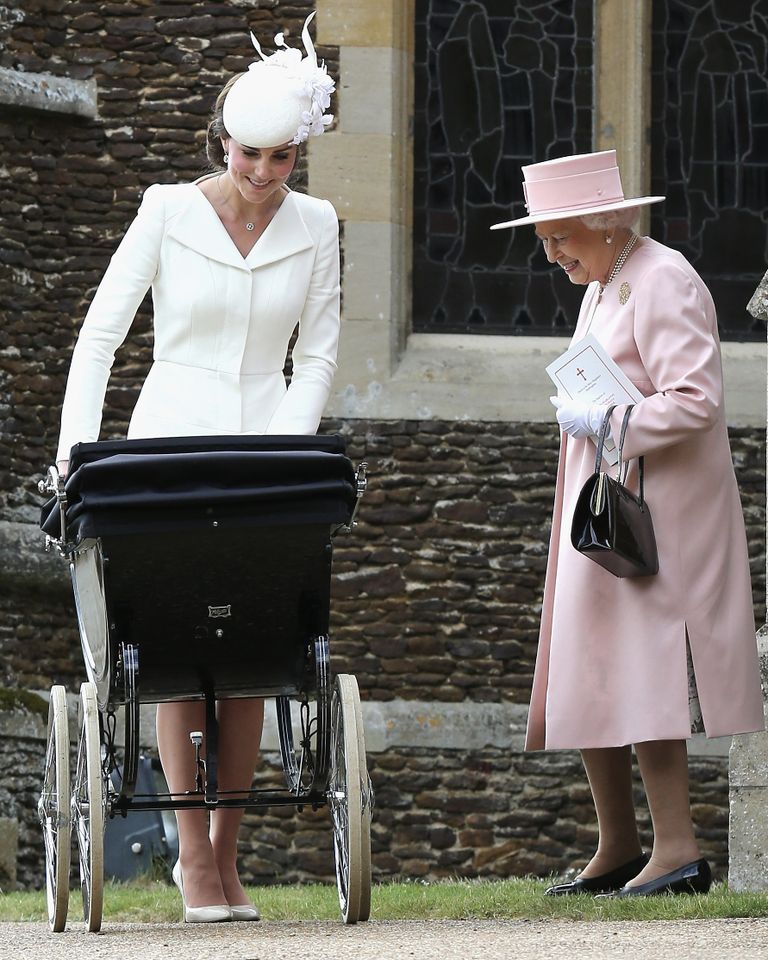
Princess Kate pushes Princess Charlotte in her pram as Queen Elizabeth II looks on. July 5, 2015.Credit: Getty Images
During Queen Elizabeth’s reign, royals had to go through her for titles, marriage blessings, and other official decisions. Choosing a baby name, however, wasn’t under her authority. Royal commentator Kate Williams told CNN in 2018, “The Queen has the power to say what their title is—she’ll decree that they are the Prince of Cambridge. But in the case of names, it is more of an informal conversation.”
That isn’t to say her opinion wouldn’t have mattered. “Of course they have such respect for the Queen that if she says, ‘I really don’t like that name,’ they’d definitely take that into account,” Williams added.
on InStyle
Source: “AOL Entertainment”
