


William Shatner reflects on 60 years of “Star Trek”: ‘A phenomenon that can’t be repeated’
William Shatner reflects on 60 years of “Star Trek”: ‘A phenomenon that can’t be repeated’

Derek LawrenceThu, October 8, 2026 at 1:00 PM UTC
3
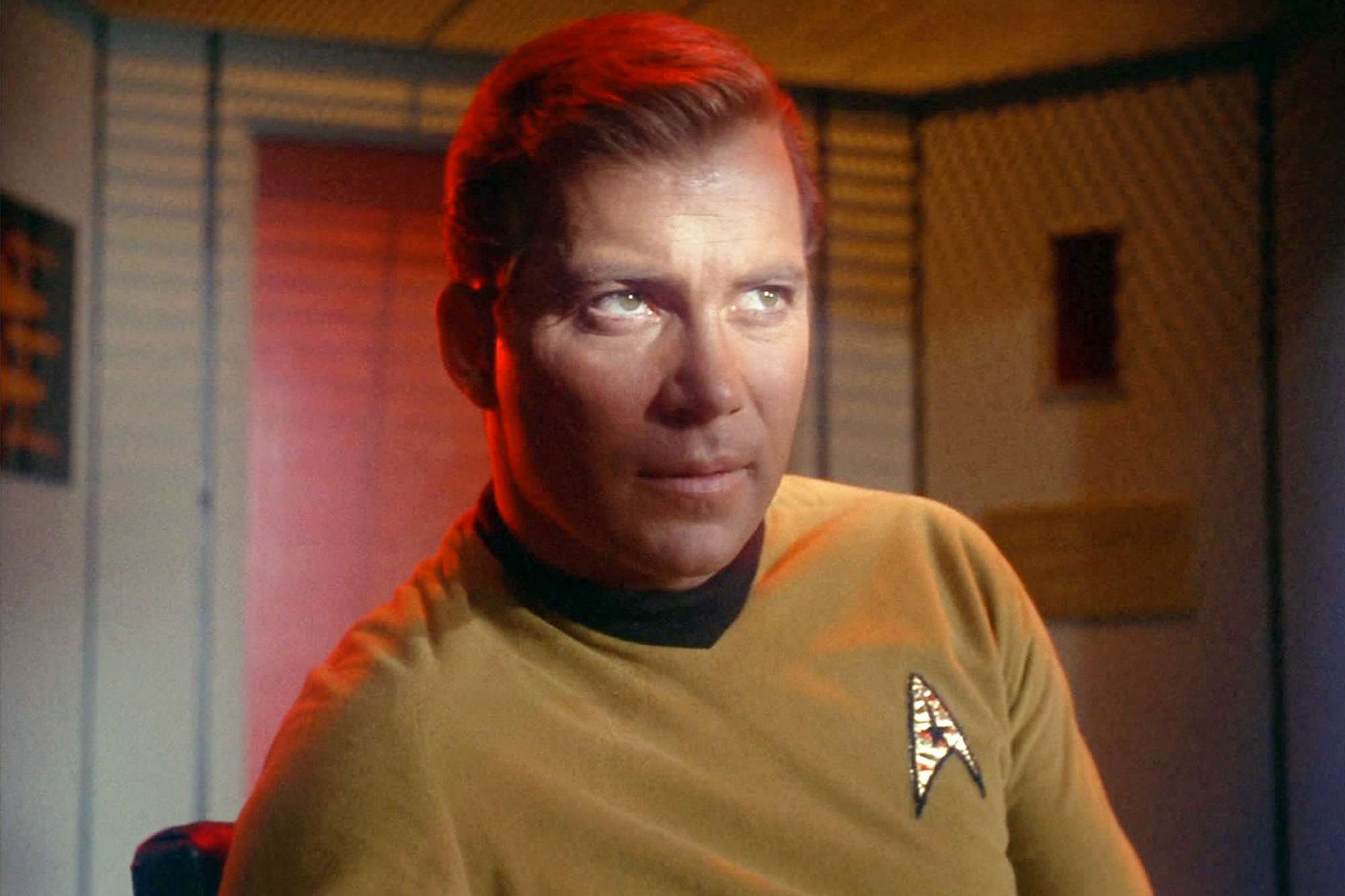
Will Shatner on ‘Star Trek’Credit: CBS via GettyKey Points -
William Shatner celebrates 60 years of Star Trek.
The 95-year-old recalls how he came to be Captain Kirk.
Shatner is the producer of a new documentary about the franchise.
To William Shatner, “it doesn’t make any sense” that Star Trek is turning 60.
The star of the original series points to all of the times that Star Trek should have been over and done with: when NBC disliked the initial pilot, when the show was canceled after three seasons, and when the first movie didn’t perform as hoped. And yet, the USS Enterprise could never be retired. Sixty years after Star Trek launched, there have been 13 shows and 13 big-screen films, with more on the way.
“It’s a phenomenon that in our lifetime can’t be repeated,” Shatner, the man forever known as Captain James T. Kirk, tells Entertainment Weekly. “Star Trek is unique in the annals of show business.”
The 95-year-old icon will always be synonymous with Star Trek, having portrayed Kirk in the 1966 series and seven movies. Shatner is now also an executive producer on The Sixty-Year Mission: How Star Trek Changed Television and the World, a new documentary about the history and cultural impact of the sci-fi staple.
Ahead of The Sixty-Year Mission’s Friday release in Regal Cinemas, we spoke with Shatner about how he wasn’t originally cast in Star Trek and what advice he’d give to the next Captain Kirk.
ENTERTAINMENT WEEKLY: How surreal is it to be here celebrating 60 years of Star Trek?
WILLIAM SHATNER: It doesn’t make any sense. The show lasted three seasons and then was canceled because not enough people were watching it, and then suddenly it comes to life because they started showing it on syndication at an earlier hour and younger people watched it. Instead of being 10 o’clock on a Friday evening when everybody was partying, it was available to younger people, and it became popular, and then it was renewed. I don’t think that’s ever happened before, for it to have all the iterations that it begets and to be very popular 60 years later, and it’s going through some kind of manifestation as we speak; Paramount’s doing something with Star Trek, I’m not sure what. Star Trek marches on.
What’s your memory of Star Trek first coming into your life?
I was on tour with a play that had been written for me, and then I received a call from [creator Gene] Roddenberry, who said, “We made a pilot of a thing we called Star Trek with Jeffrey Hunter,” who was a popular, good-looking actor at that time, and NBC didn’t like it. They didn’t like the story, they didn’t like the cast, but they liked the idea. And then they said something I’ve never heard before or since: “We want you to make another pilot, with a whole new script and cast, and we’ll supply the money.” So they made another Star Trek, and Roddenberry said, “Would you come and see the pilot, with the idea of playing the captain?” So when the run of the [play] was over, I went to Hollywood and sat in the theater in Paramount and watched this hour show. I thought it was magical. It was a little ponderous, and I could see why you might not think of it as weekly entertainment, but it certainly was entertaining. I had a few suggestions, and I agreed to be on it. They made another pilot, it sold, and it became Star Trek.
An incredible “what if.”
What you have to understand is life is “what if.” When you finally take your last breath and say, “My God, it was all an accident,” it’s true. I hear actors or managers say, “We got a plan here. We’re gonna take that thing, and we’re gonna move on there.” You learn that it’s all an accident. There’s been so many good accidents in my case that I think the universe is taking care of me in some crazy, mystical way, because I’ve had such good luck and such a wondrous life. But maybe it is just good fortune, and there isn’t a guiding hand. The closer you get to death, the more you hope there is a guiding hand. [Laughs]
You mentioned the unexpected path that Star Trek took early on. How surprised were you when it became so popular, and they summoned you back to play Kirk again?
It had been six years, and I’m totally involved in other things, and they said, “Well, you know, maybe we’ll make a movie for TV.” I go, “Oh, okay.” “Oh, maybe we’ll make another series.” “Well, okay.” “Well, maybe we’ll do a movie.” Then they ended up hiring Robert Wise as the director of Star Trek: The Motion Picture. And it’s okay, but it was rushed and had a lot of faults, and it made some money, but not the billions that Star Wars was making. And they said, “That’s enough, we’re not gonna make any more Star Treks.”
My knowledge of the story is the head of [the] Paramount [parent company] goes home and says, “That’s it,” and [his wife] says, “Are you kidding? It’s my favorite show!” And he says, “All right,” and they made Wrath of Khan, and it was a really good movie. It was a feel-good movie about characters and growing old, and to this day, it’s possibly the best of the Star Trek movies. That turned the Star Trek fortune around.
Advertisement
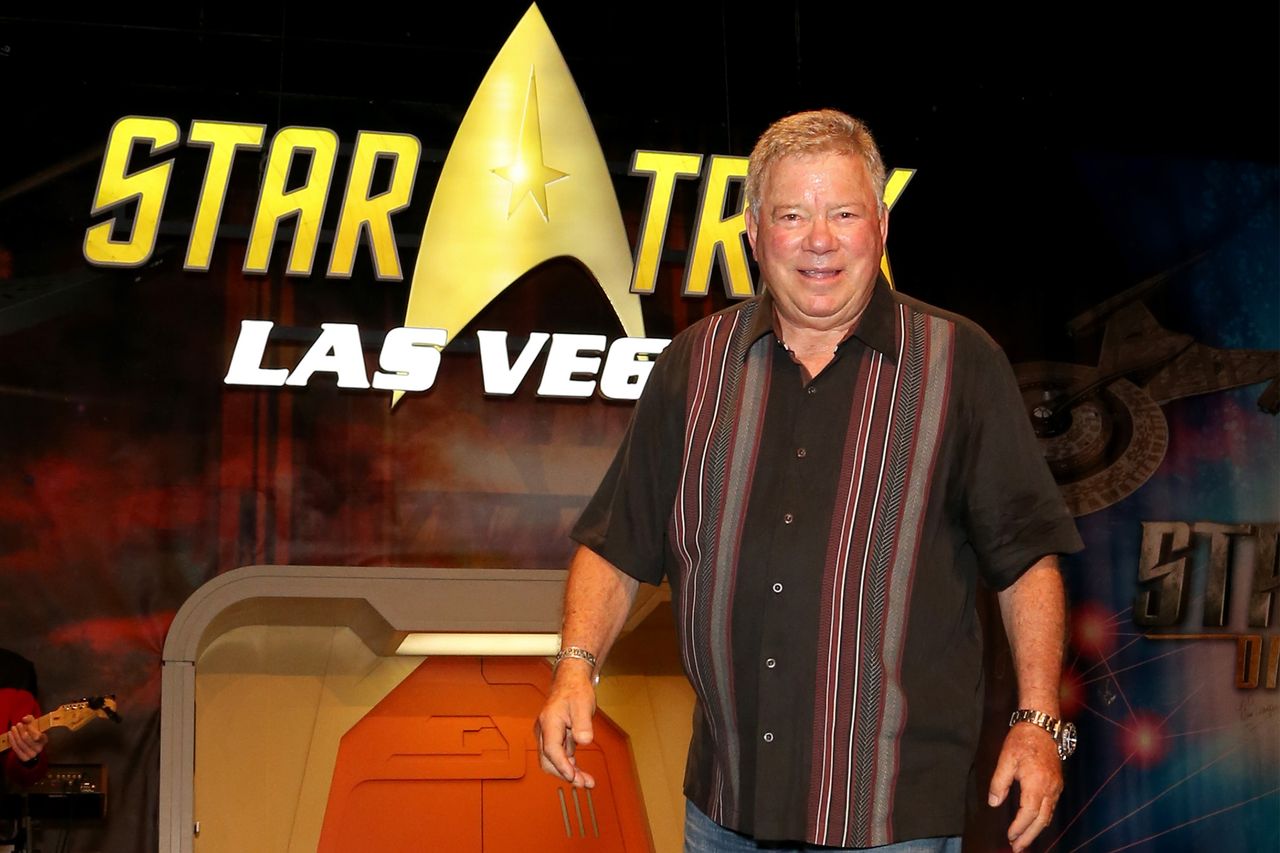
William Shatner at the official ‘Star Trek’ convention in 2019Credit: Gabe Ginsberg/Getty
After playing Kirk for decades, was it strange to have someone else as him when the franchise was rebooted on the big screen in 2009?
It was weird to have someone say, “This is Captain Kirk.” What? I’m Captain Kirk! But so much time had passed that my identification as Captain Kirk was only that I was making an occasional dollar from going to a Comic-Con.
Is there some pride in that you originated a character who has become so iconic that he keeps getting passed down to the next generation of actors?
Yeah, it is that. There have been a couple of Captain Kirks, but most of the captains aren’t called Kirk. I never watch Star Trek, but I saw a billboard and the lead’s face looks a lot like me. [Laughs] “Is that me? No, that can’t be me; he’s too good-looking.”
Why did you want to be a part of this new documentary?
They have a really cool movie maker doing it. Star Trek is a lustrous asterisk in anybody’s life, so I agreed to sit down for an interview and try and remember interesting stories and meaningful things to me. Although by the end of Star Trek, I had been divorced, and they didn’t pay that much money to begin with, and there were no residuals because the union hadn’t ever heard of residuals during those years, so I was really broke. I didn’t have any money when I finished Star Trek, and I had obligations for another home, and I had to live. So I put together a summer theater production and went back east in a truck with a cab on the back, which I lived in with my dog to save money. I was homesick and lonely; it was a tough time.
A big part of Star Trek’s longevity and uniqueness can be tied to the fans and the community it built.
I’ve got a book called William Shatner...And You, and I interviewed celebrities and non-celebrities, and there are fascinating stories about people’s lives who were utterly changed. Not just, “I go home every Friday and watch.” No, they chose professions. Instead of committing suicide, they lived. All because of their affinity for Star Trek.
I became friends with Moe Angok; he’s from South Sudan. He’s 12 years old, and he and his mother, a newborn, and an older sister walk 1,800 miles south to avoid the war. He’s picking twigs and stones out of his bare feet, and he gets 1,800 miles down the coast of Africa, and there’s a war there. They turn around and walk back. His sister was okayed to be on an airplane to Minneapolis, where there were a large group of Sudanese, so the sister gets on the airplane and says, “You gotta take my brother.” She gets Moe on the airplane, [they] fly to Minneapolis. At the age of 12, Moe spoke five African languages; he obviously had one of those brains. He picks up English where he speaks like a native born American. And he goes to college and becomes an engineer, and now he’s the head senior engineer at [Jeff Bezos’ space technology company] Blue Origin, because he came to Minneapolis and saw Star Trek. Isn’t that dazzling? How many other series could say that? I would say not any.
As you mentioned, it sounds like a new Star Trek film is on the way. What advice would you pass along to the next Captain Kirk?
Tell a good story. That’s the key to Star Trek. That’s why Wrath of Khan made money. Paramount decided, oh, maybe we can be successful.
Any final words on 60 years of Star Trek?
It’s a phenomenon that in our lifetime can’t be repeated, because you need a show that’s gonna last 60 years. And we won’t be around — or at least I won’t be around. And so Star Trek is unique in the annals of show business. They’d say, “Well, what’s the secret?” and I’d jokingly say, “Me? Maybe it is me.” And then, “Wait a minute, you mean it’s not me?”
on Entertainment Weekly
Source: “AOL Entertainment”
